What Kills Bed Bugs Instantly: A Practical Guide for Homeowners
Discover proven, practical steps to kill bed bugs instantly. Learn heat, vacuuming, encasements, and prevention strategies that reduce activity now and prevent re-infestation. This guide emphasizes safe, layered methods for homeowners seeking real results.


This guide shows you how to kill bed bugs instantly using a layered, safe approach. Start with immediate actions like heat or steam, thorough vacuuming, and mattress encasements, then reinforce with ongoing monitoring. Gather a steam cleaner, a strong vacuum with attachments, and sealed encasements beforehand for fastest, safer results.
What kills bed bugs instantly: A Practical Overview
Bed bugs are resilient pests that can hide in tiny seams and frames, making the idea of an instant elimination tempting but often unrealistic. The phrase what kills bed bugs instantly is a simplification; in practice, rapid reductions come from a layered, coordinated approach. This overview explains why combining physical removal, heat, sealing, and monitoring yields the best chance of quickly reducing activity and preventing re-infestation. Mattress Buyer Guide emphasizes that progress matters more than a single dramatic fix, and real results come from consistent effort over several days.
Immediate actions you can take today to kill bed bugs instantly
Acting quickly can curb the worst of an infestation. Start by isolating the area around the bed to prevent spread, then perform a thorough vacuum of the mattress seams, bed frame, headboard, nightstands, and nearby cracks. Use a crevice tool and slow, deliberate passes to lift nymphs and adults into the vacuum. After vacuuming, seal and transport collected debris in sealed bags. Launder washable textiles in hot water and dry on high heat. If you cannot wash, seal items in bags and monitor for activity over the next few days. These steps reduce bed bug numbers rapidly and set the stage for longer-term control.
Heat: The most reliable quick-kill method for bed bugs instantly
Heat is one of the most effective ways to knock down bed bug activity quickly. Steam cleaners can reach into seams and corners where bugs hide, while high-heat drying can treat textiles like sheets, pillowcases, and clothing. The key is delivering sustained heat to hotspots such as mattress seams, box springs, and upholstered furniture. Move the steam slowly to ensure contact and avoid scorching delicate fabrics. When possible, run textiles through a hot cycle in the dryer or lay items out in the sun if conditions allow, ensuring thorough exposure to heat across all surfaces.
Vacuuming and physical removal: Fast reductions in bed bug numbers
Vacuuming is a powerful immediate-action tool because it physically removes a large portion of visible pests and eggs. Use a vacuum with a strong hose and brush attachments, focusing on edges, cracks, frame crevices, and under the bed. After vacuuming, immediately seal the bag and dispose of it outside the living space. Regular vacuuming over a few days can dramatically reduce populations and expose hidden bugs for further treatment.
Mattress encasements and containment: Blocking re-infestation
Encasing the mattress and box spring creates a physical barrier that prevents bed bugs from feeding and moving. Choose sturdy, bed-bug-proof encasements with zippers that self-seal and avoid gaps. Encase all infested or potentially infested furniture, especially in bedrooms and living areas with dense activity. Keep encasements on for as long as you monitor the area for activity; these barriers dramatically reduce re-infestation risk and simplify ongoing inspections.
Chemical options: When and how they contribute to an immediate kill
Pesticides can play a role in rapid suppression, but they should be used as part of an integrated plan and applied according to label directions. Opt for products labeled for bed bugs and use them in unoccupied spaces or with proper ventilation. Apply spot treatments to cracks, seams, and voids where bugs hide. Always combine chemical methods with mechanical removal, heat, and encasements for best results. If you’re unsure, consult a pest control professional for a safe, effective plan.
Integrated approach: Combining methods for best results
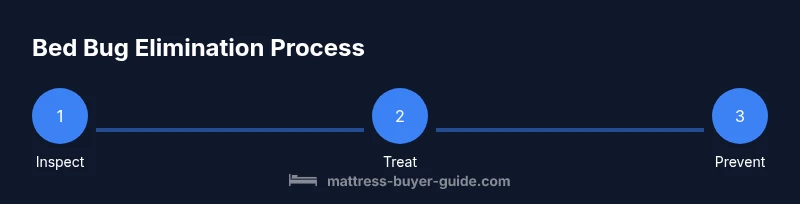
No single method reliably eliminates bed bugs instantly in all environments. The fastest progress comes from a deliberate combination: air-tight containment, intensive surface cleaning, heat or steam where safe, targeted vacuuming, and protective encasements. Monitor and repeat as needed, adjusting methods based on what you observe in the following days. Mattress Buyer Guide recommends documenting hotspots and maintaining a routine inspection to catch new activity early.
Common mistakes that delay results
Many DIY efforts stall because actions are rushed, incomplete, or poorly timed. Common missteps include treating only one area (like the bed) while ignoring adjacent furniture, skipping encasements, overusing pesticides in living spaces, and failing to launder or seal items promptly. Delays also happen when homeowners rely on a single method instead of a layered approach. By avoiding these mistakes and sticking to a plan, you’ll increase your chances of rapid, meaningful progress.
Prevention plan: Keeping bed bugs from coming back
Prevention focuses on reducing clutter, sealing entry points, and maintaining regular inspections of beds, furniture seams, and baseboards. Use protective encasements on all appropriate mattresses and box springs, wash textiles on hot cycles as needed, and vacuum frequently. If you travel or have guests, inspect and isolate luggage and clothing, and re-check your home within several weeks. Consistency is the best defense against re-infestation.
Tools & Materials
- Vacuum cleaner with hose attachment(Crevice tool for seams and edges)
- Steam cleaner or handheld steamer(Use on mattress seams and furniture)
- Heavy-duty mattress encasements (bed-bug-proof)(ZIPPER must seal completely)
- Box spring encasement (if applicable)(Seal entire structure)
- Laundry supplies (detergent)(Hot wash for infested textiles)
- Washer and dryer or access to hot sun for fabrics(High-heat cycle when available)
- Plastic bags and sealable containers(Dispose vacuum bags safely)
- Protective gloves and mask(Hygiene and safety during cleaning)
- Diatomaceous earth (food-grade)(Light dusting in cracks (use with care))
- Isopropyl alcohol (70%)(Spot-cleaning convenience)
- Insecticide labeled for bed bugs(Follow label; use only in unoccupied spaces if needed)
- Lint-free cloths(Surfaces and furniture detailing)
Steps
Estimated time: 2-6 hours
- 1
Prepare the space and gather tools
Collect all required tools, clear the room, and inspect the most likely hotspots. Confirm you have encasements and a vacuum with attachments ready. This setup minimizes back-and-forth and speeds up the process.
Tip: Lay out a clear plan on paper or a note so you can follow it without forgetting key steps. - 2
Isolate the area to prevent spread
Close doors to the bedroom and seal gaps where pests could migrate to other rooms. Bag items or place them in sealed containers to prevent movement during cleaning.
Tip: Use tape or heavy-duty bags to seal off the room; clearly label bags to avoid acidental opening. - 3
Vacuum thoroughly
Vacuum all surfaces, with extra focus on seams, bed frame crevices, and baseboards. Empty the vacuum into a sealed bag immediately after use.
Tip: Move slowly and cover each area multiple times to lift the bugs and eggs effectively. - 4
Treat hotspots with heat or steam
Apply steady heat using a steam cleaner to mattress seams, headboard joints, and furniture cracks. Ensure heat penetrates deep enough to affect hidden stages.
Tip: Keep the nozzle in motion and avoid scorching fabrics; never use steam on electronics or exposed outlets. - 5
Wash and dry textiles on high heat
Launder sheets, pillowcases, clothing, and fabric coverings. Dry on the hottest setting available and for as long as practical.
Tip: If washing isn’t possible, bag the textiles and rewash after a few days to catch new activity. - 6
Encage mattresses and furniture
Zip mattress and box spring encasements; seal all protecting covers to block ongoing feeding and movement.
Tip: Keep encasements on and intact for as long as you monitor for activity; replace if torn. - 7
Monitor, repeat, and adjust
Check periodically for new signs of bed bugs and repeat cleaning actions as needed. Document hotspots and adjust your plan if activity persists.
Tip: Establish a 2-week monitoring routine to catch any resurgence early.
FAQ
Can I kill bed bugs instantly with a single method?
Often not. Instant reductions come from a layered approach that combines heat, mechanical removal, and containment. Complete elimination usually requires multiple steps over days or weeks.
There isn’t a single instant fix; quick reductions come from a layered plan using heat, vacuuming, and encasements.
Does heat alone eradicate bed bugs instantly?
Heat can rapidly reduce numbers and kill exposed bugs, but it may not reach all hiding spots. Combine heat with vacuuming and encasements for best results.
Heat helps quickly, but you should pair it with other methods for complete control.
Are DIY methods safe for households with children and pets?
DIY methods can be safe when used as directed, with proper ventilation and without overuse of pesticides. Prioritize non-chemical methods first and consult professionals if needed.
Yes, but follow safety guidelines and limit exposure, especially around children and pets.
How long before I know bed bugs are gone?
Clearance can take several weeks to months. Continue monitoring, re-treat hotspots, and consider professional help if activity persists after a few cycles.
It can take weeks to confirm removal; keep inspecting and re-treating as needed.
Should I throw away infested furniture?
Discarding can reduce pressure, but it’s not always necessary if you can treat and encase items. Label and bag discarded items to prevent spread.
If you can treat and encase, you may avoid disposal, but discard severely infested pieces if possible.
When should I call a pest control professional?
If infestation persists after a well-executed DIY plan or covers large areas, contact a licensed pest control professional for a tailored, safe treatment.
If DIY steps don’t reduce activity after several weeks, consider a professional.
Watch Video
Highlights
- Use a layered approach combining heat, vacuuming, and encasements.
- Isolate treatment areas to prevent spread during cleaning.
- Monitor regularly and repeat actions to ensure progress.
- Follow safety and label directions for any chemicals used.