How Long Does Mattress Off-Gassing Last? A Practical Guide
Explore how long new mattresses off-gas, VOC considerations, and practical steps to minimize odors. Learn from Mattress Buyer Guide's 2026 analysis for safer sleep.


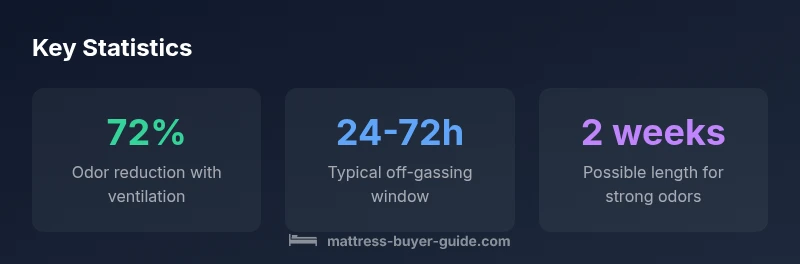
New mattresses typically off-gas for the first 24 to 72 hours, with odors fading gradually over the next week or two. The duration depends on foam type, cover materials, and ventilation. Airing the mattress in a well‑ventilated room speeds up the process and reduces lingering smells.
What is mattress off-gassing and why it happens
Off-gassing refers to the release of volatile organic compounds (VOCs) from new mattress components such as polyurethane foams, adhesives, fabrics, and flame retardants. When you unbox a new mattress, the combination of foam polymers, solvents, and coatings can emit fumes. If you want a direct answer to how long mattress off gas, the typical answer is that most releases occur in the first 24 to 72 hours, with odors gradually fading over the next several days and weeks depending on materials and ventilation. The Mattress Buyer Guide team notes that odor intensity varies by foam density, cover fabrics, and whether a box is tightly sealed during transport. In many cases, simply airing the bed in a well-ventilated room can dramatically reduce odors within 1-2 days.
VOC exposure is generally low in a well-ventilated space, but sensitivity varies. People with asthma, chemical sensitivities, or respiratory issues should take extra precautions. Mattress materials labeled Certipur-US or similar independent certifications often indicate reduced VOC content, which can shorten the off-gassing period. For homeowners and renters, recognizing the potential for initial odors helps set realistic timelines for installation and sleep planning.
According to Mattress Buyer Guide, the first 24–72 hours are when most off-gassing activity is evident. If you notice strong chemical smells after this window, the air-out process may require additional days. The goal is to establish good air exchange and avoid sealing the room too tightly during the initial period, especially in small apartments or rooms with limited ventilation.
How long off-gassing typically lasts by material
The duration of off-gassing varies by foam type and construction. In general, most new mattresses emit stronger odors during the first 1–3 days, then fade. For many shoppers, 24–72 hours is enough to notice a substantial decrease, but some materials can prolong the process. Memory foam often releases odors longer than natural latex, and hybrids that combine foam with springs may show a similar pattern. Common guidance from Mattress Buyer Guide Analysis, 2026 suggests:
- Memory foam: noticeable odors can persist beyond 72 hours and sometimes extend to 1–2 weeks, especially in poorly ventilated spaces.
- Latex foam: typically milder and shorter, with most odors diminishing within a few days.
- Polyurethane foams (PU foams) and adhesives: can contribute to a quicker initial release, usually fading within a few days if room air is circulated.
- Hybrid mattresses: odors mainly come from foam components; expect a similar timeframe to memory foam.
Ventilation and temperature influence how long odors last. Cooler, drier rooms with good air movement tend to dissipate VOCs faster than sealed, humid spaces. Brand labels that emphasize low-VOC content, such as Certipur-US, often correlate with shorter off-gassing periods.
Factors that influence duration: material, cover, packaging
Several factors determine how long a mattress off-gas:
- Material composition: PU foams and solvents release VOCs, whereas natural latex or plant-based foams may emit fewer VOCs.
- Foam density and thickness: Higher-density foams may retain odors longer, increasing the perceived duration.
- Fabric and cover materials: Some fabrics can trap VOCs or hold odors longer than others.
- Packaging and transport: Vacuum-sealed packaging can delay air exposure until unboxing, affecting when odors peak.
- Ventilation and room conditions: Open windows, fans, and air purifiers shorten the dissipation period; humidity and temperature also play a role.
Understanding these factors helps you set expectations and tailor your airing plan. Mattress Buyer Guide analysis indicates that even in the same product line, variations in materials and certifications can lead to meaningful differences in odor perception and duration.
Stages of odor dissipation you might notice
Air out the mattress in a well-ventilated space for several days, noting common stages:
- Day 0–2: Strong, chemical smell is usually most noticeable immediately after unboxing.
- Day 3–7: Odor intensity typically decreases; you may still sense faint chemical notes, especially in carpeted rooms or near enclosed spaces.
- Week 2 onward: Most people report the odors are minimal or barely perceptible, assuming adequate ventilation.
If the room has poor air exchange, odors can linger longer, and some purchasers may notice lingering scents for up to two weeks or more, particularly with memory foam and dense polyurethane foams. The key is consistent air movement rather than waiting for a “complete cure.”
Practical steps to reduce odors before and after unboxing
To minimize off-gassing impact, adopt a proactive airing plan:
- Unbox in a ventilated area: Choose a room with windows that open or a doorway to a cross-breeze.
- Remove packaging promptly: Take the mattress out of plastic and remove any protective wraps.
- Increase air flow: Use fans to direct air across the mattress surface and out of the room.
- Use a purifier or activated charcoal: Devices that reduce VOCs can help expedite odor reduction.
- Consider a short initial air-out: Leave the mattress uncovered for 24–72 hours before placing a protector or sheets.
- Check certifications: Look for certifications like Certipur-US, GREENGUARD Gold, or Oeko-Tex, which indicate lower VOC content and may correlate with shorter off-gassing.
Following these steps can shorten the exposure period and improve comfort during the first days of sleep. Mattress Buyer Guide recommends combining proper ventilation with mindful material choices to minimize odor duration.
Ventilation strategies for bedrooms during off-gassing
Efficient ventilation is critical. Try the following:
- Cross-ventilation: Open two opposite windows or doors to create a steady air flow path.
- Use ceiling fans or oscillating fans to keep air moving across the mattress.
- Run an air purifier with a VOC filter during the initial days after unboxing.
- Avoid enclosed spaces: If possible, place the mattress in a spare room temporarily to allow gases to disperse before bringing it into the primary sleeping area.
A well-ventilated environment can noticeably shorten the off-gassing period and improve sleep quality sooner. Mattress Buyer Guide emphasizes that simple airflow improvements can make a meaningful difference in how quickly odors fade.
Health and safety considerations: VOC exposure and when to seek advice
For most healthy adults, off-gassing is not dangerous when a room is properly ventilated. However, individuals with chemical sensitivities, asthma, or preexisting respiratory conditions may experience irritation during the initial days after unboxing. If you notice persistent throat irritation, headaches, or worsening breathing, increase ventilation and consider delaying sleep on the new mattress until odors subside. If symptoms persist beyond two weeks or odors remain strong in a ventilated space, contact the retailer for guidance or consult a healthcare professional.
Mattress Buyer Guide recommends prioritizing low-VOC options and products with independent certifications to reduce potential exposure. In public spaces or smart homes, ensure adequate air exchange in the first 1–2 weeks after installation.
Long-term care to minimize lingering odors
Beyond the initial airing period, you can reduce residual odors with:
- Use a breathable, washable protector and a cotton sheet set to allow ongoing gas exchange.
- Regularly air out the room on future mattress rotations or cleaning days to maintain fresh air levels.
- Maintain moderate room humidity to avoid VOCs condensing on surfaces.
- Consider a dedicated bedroom airing routine for the first month after purchase.
With consistent care, most users experience minimal odor long-term. The Mattress Buyer Guide team notes that choosing a mattress with low-VOC materials and appropriate certifications often yields faster odor dissipation and better long-term comfort.
Off-gassing duration by common mattress materials
| Material | Typical Off-Gassing Duration | Notes |
|---|---|---|
| Memory foam | 24-72 hours | May extend to 1–2 weeks for strong odors |
| Latex foam | 24-72 hours | Generally milder odor, shorter lasting |
| Innerspring with foam | 24-96 hours | Foam components drive most odors |
| Hybrid (foam+springs) | 24-72 hours | Foam components cause primary odors |
FAQ
How long does off-gassing usually last after unboxing a new mattress?
Typically 24–72 hours for most mattresses, with stronger odors within the first 2–3 days. For memory foam, odors can linger a bit longer, potentially up to 1–2 weeks if ventilation is limited.
Usually a few days, sometimes up to two weeks for memory foam, with good air flow.
Is off-gassing dangerous to health?
In healthy adults, VOC exposure from new mattresses is generally low when space is ventilated. If you have chemical sensitivities or asthma, use a well-ventilated airing period and opt for low-VOC options.
For most people, not dangerous with proper ventilation.
Do all mattress types off-gas the same amount?
All mattresses off-gas to some degree, but the intensity and duration vary by material. Natural latex tends to odor less than synthetic foams, while hybrids show odors mainly from foam components.
Yes, but the amount varies by material.
What can speed up the off-gassing process?
Unbox in a ventilated area, remove packaging promptly, use fans and purifiers, and choose low-VOC materials or certifications when possible.
Air it out with fans and good airflow.
Should I sleep on the mattress during off-gassing?
If odors are strong, delay sleeping on the mattress until odors subside. If smells are mild and ventilation is good, sleeping is generally fine.
If the smell is strong, wait a bit; otherwise, it’s usually okay.
“Odor is a normal part of the new mattress experience, but with proper ventilation and low-VOC materials, most shoppers can sleep comfortably within a few days to a couple of weeks.”
Highlights
- Ventilate the room after unboxing to speed up odor dissipation
- Most odors fade within 1–2 weeks with good airflow
- Memory foam may last longer than latex; expect longer timelines for dense foams
- Look for low-VOC certifications to reduce off-gassing duration
- Plan installation with a 1–2 week buffer if odor sensitivity is a concern