How Much Mattress Topper: Cost, Thickness, and Tips
Learn how much mattress topper to use, including thickness guidelines, material effects, and price ranges. A practical, data-driven guide from Mattress Buyer Guide to help you sleep better.


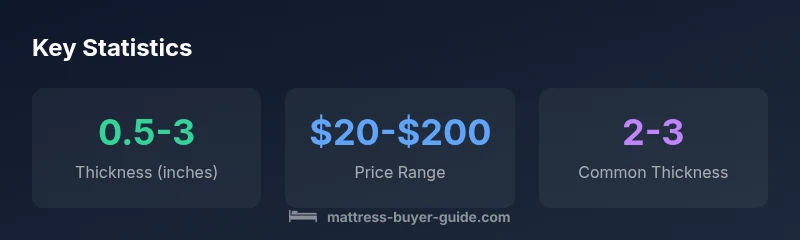
For most sleepers, the recommended mattress topper thickness is 0.5 to 2 inches, with 1 to 1.5 inches offering a balanced blend of comfort and support. If you need more pressure relief, choose 2 inches; for preserving your bed’s feel, 0.5 inch can suffice. Price ranges typically run from $20 to $200 depending on material and thickness.
How Much Mattress Topper to Use: Baseline Recommendations
Determining how much mattress topper to use starts with your mattress's firmness level, weight, and how you sleep. When readers ask how much mattress topper to add to their bed, most experts suggest a baseline of 0.5 to 2 inches. This range covers most sleeping styles and budgets. In practice, a 1-inch topper tends to be comfortable for many, adding a modest cushion without significantly altering the bed's feel. If you wake up with pressure points or a firmer bed, you may prefer closer to 2 inches. If you want to preserve the mattress's original feel or cool sleeping, 0.5 inch can be enough. The goal is to improve pressure relief without creating new alignment problems. Mattress topper thickness interacts with your underlying mattress—if the core is very soft or very hard, the topper’s impact will be amplified or muted accordingly. For the majority of households, starting with 1 inch and testing for a few nights is a practical approach.
Thickness and Comfort: How 0.5", 1", 2" differ
Thicker toppers (1-2 inches) generally provide more contouring and pressure relief, which helps side sleepers and heavier sleepers, but they can shift the feel of a bed and affect alignment if the underlying mattress is already soft. A 0.5-inch topper is subtle, often used to address minor comfort gaps or to protect a premium mattress without changing its core feel. The choice should match your sleeping position, body weight, and personal comfort preferences. Always test a topper for several nights to gauge its effect on spinal alignment and overall sleep quality.
Material Matters: Foam, Latex, Wool, and Blends
The material of a topper influences how much is felt in terms of contour, heat retention, and durability. Memory foam concentrates support where needed but can trap heat; latex tends to sleep cooler and offer springier cushioning; wool and cotton blends promote airflow and natural temperature regulation. Blends try to balance contouring with breathability. When evaluating how much mattress topper to use, consider material density and your warmth preference. A thicker memory foam topper may feel similar to a thinner latex topper in comfort, but with different heat profiles.
Sleeping Position and Body Weight: Tailoring the Topper
Back sleepers often benefit from 1-2 inches of topper to support the lumbar region without raising hips excessively. Side sleepers typically prefer 1-2 inches of memory foam or latex to cushion shoulders and hips while maintaining spinal alignment. Stomach sleepers generally do better with thinner toppers (0.5-1 inch) to avoid pushing the spine out of alignment. Weight also matters: lighter sleepers experience less pronounced changes with thinner toppers, while heavier sleepers may need 2 inches or more for adequate pressure relief.
Temperature Regulation and Breathability
Topper choice significantly impacts sleeping temperature. Foam toppers, especially dense memory foam, can trap heat unless they incorporate gel memory foam, open-cell constructions, or phase-change infusions. Latex toppers tend to sleep cooler due to inherent breathability. Wool toppers offer excellent moisture management but may feel warmer in hot climates if paired with heavy blankets. If temperature control is a priority, lean toward latex or wool toppers and avoid high-density foam without cooling features.
Cost Considerations: Value by Thickness and Material
Cost scales with thickness and material. Foam toppers are generally the most affordable entry point, followed by polyfoam and latex. Latex toppers are typically more durable but command higher upfront costs, while wool adds temperature regulation and a natural feel at a premium price. If you’re balancing comfort and budget, a 1-inch latex topper might offer durable support without an excessive price increase, whereas a memory foam topper with cooling features can be a middle-ground option. Use ranges and assess your sleep goals when evaluating value.
How to Measure Results and Longevity
Track sleep quality after changing topper thickness, material, or both. Look for changes in pain, stiffness, and overall sleep satisfaction over 7–14 nights. Durability depends on material: foam toppers generally last 3–5 years, latex 5–10 years, and wool longer with care. Check for sagging, unusual odors, or changes in bounce as signals to replace. Regularly rotate the topper to promote even wear and extend its life.
Practical Steps: Try, Rotate, and Replace
A systematic approach helps you zero in on the right amount of mattress topper. Start with a 1-inch foam or latex topper, sleep on it for a week, and evaluate comfort and spine alignment. If needed, move to 1.5 inches or 2 inches. Rotate the topper every 3–6 months to prevent uneven wear, and use a breathable protector to maintain performance. If installment or performance issues persist beyond a few weeks, consider trying a different material or thickness.
Topper options by material and impact on feel
| Material | Typical Thickness | Estimated Weight | Typical Price Range |
|---|---|---|---|
| Memory foam topper | 1-3 in | 2-5 lb | $50-$200 |
| Latex topper | 2-3 in | 5-8 lb | $120-$300 |
| Polyfoam topper | 0.5-1.5 in | 1-3 lb | $20-$60 |
| Hybrid topper | 3-4 in | 6-10 lb | $150-$400 |
FAQ
Do I need a topper if my mattress is too firm?
A topper can soften a firm mattress and relieve pressure points. If your spine alignment is good and you sleep without pain, you may not need one. If you wake with aches, a thin topper (0.5-1 inch) is worth trying.
A topper can soften a firm mattress and help with pressure points. If you sleep fine, you may skip it, but try a thin topper if you wake stiff.
How thick should a mattress topper be for back sleepers?
Back sleepers often benefit from 1-2 inch toppers that provide cushion without raising hips above shoulders. For heavier individuals, closer to 2 inches may help with contour and alignment.
For back sleepers, aim for about one to two inches to keep your spine aligned.
Will a topper make my bed too hot?
Some toppers, especially memory foam, can trap heat. Look for gel-infused memory foam, latex, or breathable wool toppers to improve air flow. Consider using a breathable mattress protector.
Yes, some toppers can trap heat; choose breathable materials to stay cool.
How long do mattress toppers last?
Lifespan varies by material. In general, foams last 3-5 years, latex 5-10 years, wool longer with proper care. If you notice sagging, uneven support, or persistent odors, it's time to replace.
Topper life depends on material; if it sags or smells, replace.
Can a topper help with side sleepers?
Yes, a memory foam or latex topper around 1-2 inches can relieve shoulder and hip pressure for side sleepers. Ensure the chosen thickness does not push the spine out of alignment.
A 1-2 inch topper can ease pressure on shoulders and hips for side sleepers.
“Choosing the right mattress topper is about balancing pressure relief with the core support of your mattress, not chasing the softest option.”
Highlights
- Start with 1 inch as a baseline and adjust
- Choose thickness by sleeping position and weight
- Material choice influences heat and longevity
- Expect price ranges based on thickness and material
- Test for several nights before deciding