Sleepyhead Mattress Topper Review
An in-depth Sleepyhead mattress topper review examining comfort, support, temperature control, durability, and value to help homeowners decide if it’s the right upgrade for better sleep.


The sleepyhead mattress topper is a mid-range foam layer designed to add contour and pressure relief to an existing bed, without replacing the mattress. It aims to balance comfort and support for a variety of sleep styles, with better performance on medium-firm foundations. This review from Mattress Buyer Guide positions it as a solid, budget-conscious upgrade rather than a universal solution.
What is the Sleepyhead Mattress Topper?
The Sleepyhead mattress topper represents a common approach to upgrading a mattress without buying a new bed entirely. In most configurations, toppers like Sleepyhead are made from foam—memory foam or polyurethane-based layers—with varying densities that aim to cushion pressure points and add a subtle lift. The intent is simple: to soften the feel of a too-firm mattress or to increase overall plushness without compromising support. For owners of medium-firm mattresses, the topper can provide a more balanced feel that helps align the spine while preserving the bed’s foundational support. According to Mattress Buyer Guide, Sleepyhead is marketed to work well across a range of bed frames, from platform bases to box springs. The product’s versatility is a selling point, but it’s important to set expectations: toppers rarely fix structural issues within a mattress, and their impact depends on your body weight, sleep position, and the underlying mattress quality. In short, Sleepyhead is a practical upgrade for many, but not a one-size-fits-all remedy. The Mattress Buyer Guide team notes that the topper’s strength lies in compatibility and simple installation rather than dramatic changes in mattress behavior.
How we evaluate toppers
Evaluating a mattress topper requires a consistent, repeatable testing framework. Our approach combines objective measurements with subjective sleep testing. We map pressure distribution to assess how a topper relieves common pressure points at the hips, shoulders, and spine. We also test resilience: how quickly a topper returns to its original shape after weight is removed, which informs durability and contour longevity. Temperature regulation is another key factor; we assess how the cover and foam respond to heat and moisture, as heat retention can affect comfort for hot sleepers. Finally, we compare setup, maintenance, and long-term value, including ease of cleaning, cover replacement, and warranty terms. Across these dimensions, we reference Mattress Buyer Guide Analysis, 2026 to triangulate findings and offer a balanced view for different household scenarios.
Comfort and pressure relief
The primary benefit of a topper like Sleepyhead is pressure relief, especially for side sleepers who place higher load on the shoulders and hips. A well-chosen topper should soften contact points without sacrificing spinal alignment. Our testing considers different body weights and sleep positions to see how the topper performs under dynamic movement through the night. In general, sleepers who find their current mattress too hard should experience a noticeable increase in comfort, while those with already plush beds may find the change subtler. It’s important to note that comfort is subjective: some sleepers may crave more contour, while others prefer a firmer baseline. Mattress Buyer Guide’s assessment emphasizes that true comfort comes from a combination of surface feel and underlying support, so the topper should complement, not override, the mattress’s native geometry.
Materials, durability, and care
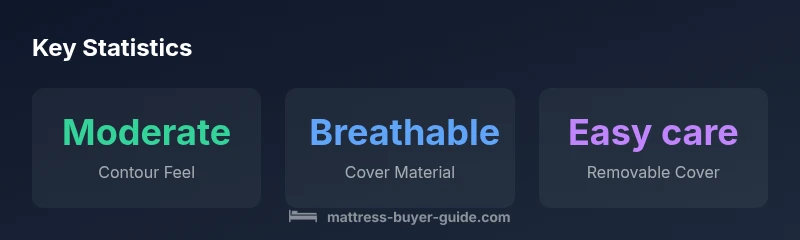
Topper materials influence comfort, durability, and care routines. Sleepyhead toppers typically use foam layers with a breathable cover designed to wick moisture and aid air flow. Durability hinges on foam density, seam construction, and cover quality. We look for reinforced edges, minimal shifting, and stitching that stands up to repeated washing or cover removal for cleaning. Care instructions often include spot cleaning, vacuuming, and, where appropriate, washing the cover alone. A washable cover can extend the topper’s lifespan and help keep the sleeping surface hygienic. Mattress Buyer Guide emphasizes that long-term value often depends on a durable cover and a foam core that resists permanent compression under typical nightly loads.
Temperature regulation and breathability
Breathability is a common concern with memory foam toppers. Sleepyhead’s design typically includes a breathable cover and ventilated foam to promote airflow and reduce heat buildup. Hot sleepers should look for features like open-cell foam structures, phase-change materials, or moisture-wicking covers. In our assessments, toppers with robust air channels and moisture management show improved comfort during warmer nights and in high-humidity environments. The Sleepyhead topper’s performance in this area tends to vary with room temperature, bedding choices, and individual metabolic heat. Mattress Buyer Guide notes that even a well-ventilated topper cannot completely negate heat generated by the sleeper, but it can moderate the experience compared with denser, non-breathable materials.
Sleep styles and compatibility
Different sleep positions require different surface mechanics. Side sleepers often benefit from additional contouring around the shoulders and hips, whereas back sleepers may prioritize even support along the spine. Stomach sleepers often require a careful balance between softness and stiffness to prevent over-sagging. The Sleepyhead topper is most effective for individuals who want a slight to moderate shift in feel without drastically changing the bed’s overall geometry. For couples, the absence of excessive motion transfer is a quality to watch, as some toppers tend to isolate movement poorly when one person shifts during the night. Mattress Buyer Guide’s reviews indicate such toppers can be a good compromise for mixed sleepers or households with varied sleep preferences.
Setup, maintenance, and longevity
Setting up Sleepyhead is typically straightforward: remove the topper from its packaging, place it on the mattress, and ensure it is evenly aligned with the bed edges. Avoid folding or crease lines that can create pressure points. The cover should be regularly aired out and washed according to the manufacturer’s instructions. Over time, some toppers exhibit partial body impressions or edge compression; rotating the topper every few months can mitigate permanent sag and help maintain uniform support. The long-term value depends on how well the topper stands up to daily use, cleaning frequency, and storage practices when not in use.
How Sleepyhead compares to alternatives
In the crowded topper market, Sleepyhead sits among memory-foam and latex options as a mid-range choice. Memory-foam toppers tend to offer deeper contour at the cost of potential heat retention; latex toppers provide more bounce and resilience, often with higher durability but a different feel. Polyurethane toppers are typically the most affordable, with lighter contour and variable durability. When evaluating Sleepyhead, consider your priorities: contour depth, temperature management, edge support, and how the topper interacts with your existing mattress. Mattress Buyer Guide suggests weighing initial comfort against potential long-term changes in feel, and comparing return policies and warranties across brands before purchasing.
Buying guidance and what to watch for
Before buying Sleepyhead, define your goals: Do you want more cushion, less motion transfer, or longer durability? Check thickness options, density, and whether the cover is removable and washable. Look for a fair warranty and a generous return policy, especially if you’re unsure about compatibility with your current mattress. Read user reviews focusing on how the topper aged after 6–12 months rather than only the initial feel. If you sleep hot, prioritize airflow features and choose a model with a breathable cover. For households with multiple sleepers, consider firmer edges or a shape that minimizes wobble when weight shifts occur at night.
Practical setup tips and care
To maximize longevity and comfort, place the Sleepyhead topper on a clean, flat surface with the seams aligned to the mattress edges. Wake the topper gently after unpacking to help it regain its form. Rotate or flip as recommended by the manufacturer to maintain uniform wear. Regularly wash the cover if it’s removable and keep the topper away from liquids to avoid moisture damage. Store the topper in a cool, dry location if not in use for extended periods. These steps help you preserve comfort, reduce odors, and extend the topper’s useful life.
What customers should know before buying
Prospective buyers should understand that a topper is a supplementary tool, not a replacement for a sagging mattress. It can improve comfort and extend mattress life, but it won’t fix structural issues or drastically alter an old bed’s geometry. If you have chronic back pain, consider speaking with a healthcare professional to determine whether a topper plus mattress combination will meet your needs. Check the return policy and warranty length to ensure coverage if the topper doesn’t meet expectations. Mattress Buyer Guide’s verdict is that Sleepyhead can be a sensible, value-driven upgrade for many households, but results will vary based on individual sleep preferences and the underlying mattress condition.
The Good
- Enhanced comfort without replacing the mattress
- Good value in the mid-range market
- Easy to set up and maintain
- Breathable cover helps with heat management
Cons
- Not a cure-all for severe back pain
- May sleep warmer for some users
- May compress over time with heavy use
Solid mid-range topper for most sleepers seeking added cushion without replacing their mattress.
The Sleepyhead topper delivers reliable comfort and practical value for a broad audience. It shines for those with medium-firm beds seeking a gentler contour, while heat-sensitive sleepers should verify fabric/breathability. Overall, a thoughtful, affordable upgrade, with room to improve in extreme heat scenarios.
FAQ
What is the Sleepyhead mattress topper made of?
Sleepyhead toppers typically use foam-based layers, with memory foam or standard polyurethane foams being common. The cover is usually breathable and removable for washing. Exact materials can vary by model or revision, so check product specifications carefully.
Sleepyhead toppers are usually foam-based, with a breathable, washable cover. Materials can vary, so check the label for specifics.
Is Sleepyhead topper good for back pain?
Many users with mild to moderate back pain report improved comfort when using a topper that adds contour without sacrificing support. However, toppers aren’t a substitute for professional treatment, and results depend on underlying mattress support and individual posture.
If your mattress lacks contour, a topper can help, but it isn’t a medical fix.
How do you clean Sleepyhead topper?
Remove and wash the cover per instructions; spot-clean the foam layer with a mild solution if needed, and avoid soaking. Allow the topper to air dry completely before use. Regular vacuuming helps keep the surface clean and reduces odors.
Wash the cover, spot-clean the foam if needed, and let it dry fully before use.
Will it sleep hot or stay cool?
Most toppers include breathable covers and foam designed for airflow, which helps reduce heat buildup. Heat sensitivity varies by individual, and hotter sleepers may still notice warmth on particularly warm nights or with heavy blankets.
Breathable covers help, but some people still feel warmth on hot nights.
How thick should I choose Sleepyhead?
Common thickness options are designed to adjust contour without overwhelming the mattress. If your bed feels too firm already, a thicker option can provide more pressure relief; if you want minimal change, a thinner profile may suffice.
Thicker options add more contour, thinner ones keep the feel closer to your current mattress.
What if Sleepyhead doesn’t fit my bed?
Most toppers are designed to align with standard bed dimensions. If your bed has non-standard rails or an unusual frame, ensure the topper width matches the mattress and check return policies in case of fit issues.
Make sure the topper width matches your bed and check the return policy if it doesn’t fit.
Highlights
- Upgrade without replacement: Sleepyhead adds cushion on existing mattresses.
- Choose thickness based on desired contour and mattress firmness.
- Prioritize breathable covers for hot sleepers.
- Pair with a compatible bed foundation for best results.
- Check warranty and return policy before buying.