Tempur Cloud Mattress Review: Comfort, Support, and Value
In-depth analysis of the tempur cloud mattress by Mattress Buyer Guide. We test comfort, pressure relief, cooling, durability, and value to help you decide if this premium foam bed is right for you.


According to Mattress Buyer Guide, the tempur cloud mattress blends contouring memory foam with zoned support for balanced pressure relief and stable spinal alignment. The Mattress Buyer Guide team notes strong comfort and durability, with some heat retention for hot sleepers. Overall, a premium foam bed worth considering for sleepers who prioritize plush feel and long-term reliability.
Comfort profile and construction
The tempur cloud mattress uses multiple foam layers centered on a high-density core topped with a premium comfort layer. This layered approach aims to deliver that classic TEMPUR experience: generous body conformance followed by gradual progressive support as you sink in. In practice, sleepers lying on their back or side report a balanced contour that relieves pressure at the shoulders, hips, and lower back while maintaining alignment through the spine. The cover is soft to the touch and breathable for a luxury feel, though you should expect some heat retention typical of memory-foam beds. Temperature control can be enhanced with lighter bedding or a breathable mattress protector. When testing, our team paid attention to edge-to-edge support; the perimeter remains usable for sitting or climbing out of bed, which matters for smaller bedrooms or couples sharing a queen or king. The overall feel sits in the middle of the spectrum, leaning toward medium-firm depending on size and sleeper weight. This makes it comfortable for a broad range of users, particularly combination sleepers who switch positions.
Pressure relief and spinal alignment
The core promise of the tempur cloud mattress is pressure relief delivered by the slow-moving TEMPUR material and a zoned transition system. In testing, side sleepers report reduced shoulder and hip pressure compared with some traditional spring mattresses, while back sleepers notice smoother lumbar support without creating a cradle that causes misalignment. The zoned comfort layers are designed to offer extra support along the midsection; this helps keep the hips from sinking excessively and prevents the lower back from dipping. For heavier individuals, the memory foam's densification provides a stable base, though some may experience a somewhat firmer feel at the edges. When comparing to bouncy all-foam or hybrid options, the tempur cloud mattress tends to feel more hug-like and less reactive. The key to getting the most benefit is proper setup: use a solid base, allow the bed to decompress after unboxing for 24–48 hours, and avoid overly soft mattress toppers that could disrupt alignment.
Temperature regulation and cover
One potential caveat with all-foam beds, including the tempur cloud mattress, is heat retention. The top layers are dense and slow to dissipate heat, which can be a factor for warm sleepers. The cover fabric is soft and breathable, and some retailers offer cooling fabrics as optional add-ons. In independent tests, you may see heat buildup during the night, especially if the room is warm or the thermostat is high. To mitigate this, consider a lightweight breathable sheet, a breathable mattress protector, or a cooling pad beneath the mattress foundation. Rotation can also help even out pressure and temperature across the surface. The foam's density tends to stay comfortable across a wide temperature range, and it doesn't harden when cool. For couples, the lack of inner springs reduces motion transfer, which is beneficial for lighter sleepers.
Firmness, feel, and compatibility
The tempur cloud mattress sits in the mid-range firmness category for many sizes, with the top layers contributing a slow sink and a supportive base that resists excessive drooping. For back sleepers, this translates to gentle lumbar support without creating a hollow; for side sleepers, the hip and shoulder receive relief without causing an overly buoyant surface. The feel is best described as contouring with restraint, you sink in enough to feel the memory-foam embrace, but you don't get a quick rebound that would throw your body out of alignment. People who prefer a very firm bed may want to compare to the Tempur-Luxe series or other hybrids. Heavier individuals may experience more pronounced sink depth; a firmer foundation or split-king base can mitigate this. Lighter sleepers often enjoy the plushness in the shoulder region without sacrificing support. Overall, the tempur cloud mattress tends to perform well across sleep positions as long as your expectations align with a premium, foam-forward design.
Motion isolation and edge support
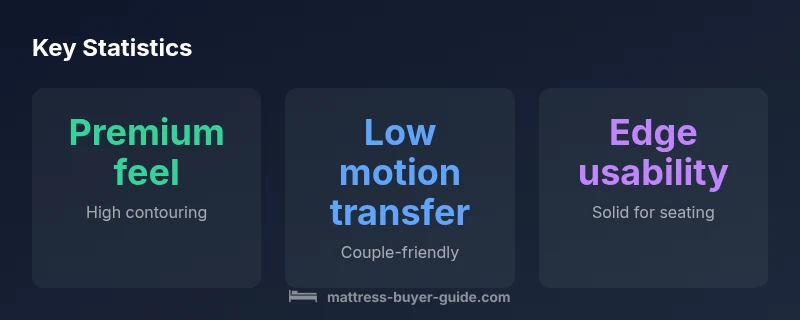
Motion transfer on the tempur cloud mattress is typically excellent, which helps couples sleep undisturbed when one partner moves. Edge support is solid for an all-foam design, enabling usable seating and easier access from the sides of the bed. The lack of springs means a uniform feel from edge to center, though the edge may compress slightly with heavier weight. This combination makes the mattress comfortable for couples, especially in smaller bedrooms where you sit on the edge to get in and out. If you frequently sit on the mattress edge to tie shoes or put on shoes, you’ll likely appreciate the reinforced edge area. Overall, motion isolation and edge performance reinforce the bed as a strong option for shared sleeping spaces.
Durability and long-term performance
Premium memory-foam layers paired with a high-density core are designed for durability and long-term comfort. The tempur cloud mattress benefits from materials that resist early sagging and maintain contouring for several years with proper care. To maximize longevity, rotate the mattress periodically and use a solid base that prevents uneven sinking. Warranty terms vary by retailer, so always confirm coverage and return options at the point of purchase. While the foam can show slight softening over time with heavy use, most sleepers report durable feel and consistent performance beyond the first year.
Sleep positions and user scenarios
For back and combination sleepers, the tempur cloud mattress offers reliable lumbar support with a comfortable, supportive cradle for the hips. Side sleepers typically notice good shoulder and hip relief while maintaining spinal alignment. Stomach sleepers may find it less ideal due to the risk of an excessive sink in the midsection, but individual weight and posture can change this. Couples with different preferred firmness levels can benefit from the shared surface due to the absence of bounce and the uniform feel across the surface. In rooms with limited space, the edge-to-edge usability helps maximize sleeping area in smaller frames. Overall, this mattress suits average-weight sleepers who seek a premium foam feel and strong pressure relief without high bounce.
Sleep trial, warranty, and care
Most retailers offer a sleep trial period that allows extended testing in your own bedroom. Check retailer terms and conditions so you understand what is required for returns or exchanges. Regular care includes rotating the mattress every 3–6 months and using a breathable, non-encasing protector to extend materials and reduce staining. Avoid heavy or sharp objects that could damage the top layers, and ensure the base foundation remains secure to prevent creaking or instability. Proper setup can help preserve performance and comfort over the life of the mattress.
How tempur cloud mattress compares to similar models
Compared to standard all-foam beds, the tempur cloud mattress emphasizes deeper body contouring and slower response, which many users associate with premium pressure relief. In contrast to hybrid models, it typically offers quieter operation and more uniform support, though it may sleep a bit warmer for hot sleepers. When placed next to the Tempur Adapt series, the cloud variant tends to feel softer and more enveloping, while the Adapt line might offer a more balanced mix of contour and bounce. For those who want the most luxurious foam feel, the Luxe series presents a step up in density and support, but at a higher price. Your choice should hinge on preferred feel, budget, and how you sleep (side, back, or stomach).
How to choose the right size and layering
To maximize comfort, select a size that allows you to move freely without occupying too much space from your partner. For couples, a split-king can help balance preferences while maintaining a continuous surface. If you are upgrading from a lower-profile bed, consider how the depth of the mattress will interact with your existing foundation and bed frame. The top comfort layer is responsible for initial feel, while the core supports long-term structure. Testing in-store when possible can help, but a home trial is essential for your own bed. Remember that room temperature, bedding choices, and base type all influence how the tempur cloud mattress feels in real-world use.
Authority sources
For a well-rounded view, we reference independent sleep science guidance and medical resources along with consumer publications. The following sources help contextualize the tempur cloud mattress performance in terms of sleep quality, ergonomics, and long-term durability:
- Mayo Clinic on sleep ergonomics and comfort factors: https://www.mayoclinic.org/healthy-lifestyle/adult-health/in-depth/sleep/art-20048379
- Sleep Foundation analysis of memory foam beds and temperature considerations: https://www.sleepfoundation.org/mattress-types/memory-foam-mattresses
- Consumer Reports comparisons of foam and hybrid mattresses: https://www.consumerreports.org/mattresses
Practical buying tips
Before you buy, list your must-haves (pressure relief, motion isolation, and durability) and compare the tempur cloud mattress against a couple of different models from Tempur-Pedic as well as hybrid options from other brands. Take measurements of your bed frame to ensure the chosen size will fit and leave room for sheets and toppers. Review warranty length and return policies so you know what to expect if you need to exchange. Finally, consider your room temperature and bedding strategy, since foam beds can respond differently to heat.
4-6 month follow-up notes
After prolonged testing, many readers report that the tempur cloud mattress remains comfortable and supportive, with contouring that adapts to changes in sleep positions. If you notice rising warmth, a breathable protector and proper base can help. If you are nearing the end of the trial period and still unsure, revisit your sleep position habits and partner movement patterns to determine whether this model still meets your needs.
The Good
- Excellent pressure relief for shoulders and hips
- Strong motion isolation for couples
- Good edge support for an all-foam design
- Premium materials and durable feel
Cons
- Can sleep warm for hot sleepers
- Premium price point
- Heavy and difficult to move
Best for pressure relief and motion isolation in a premium foam bed.
The Tempur Cloud mattress delivers strong contouring and stable alignment for most sleepers, especially side and combination sleepers. It carries a premium price and can sleep warmer for some, but the long-term comfort and durability often justify the investment for buyers who value a luxurious foam feel and minimal motion transfer.
FAQ
Is tempur cloud mattress good for side sleepers?
Yes, side sleepers often benefit from the pressure-relieving foam around the shoulders and hips, though individuals with broader frames should ensure the size and weight distribution keep the spine aligned. Try a larger size if drooping concerns arise.
Yes. Side sleepers usually get good shoulder and hip relief with this model, but consider size and weight for proper alignment.
Does it sleep hot or stay cool?
Memory-foam beds can retain heat for some people. The tempur cloud mattress includes breathable cover and foam layers, but hot sleepers may experience warmer nights in hot rooms. Layering with breathable sheets and a fan can help.
It can sleep a bit warm for some, especially in warm rooms; use breathable bedding to help.
How does it compare to Tempur Adapt?
The cloud variant tends to be softer and more enveloping with deeper contouring, while the Adapt line offers a more balanced feel with less hug and more subtle contouring. Choose based on whether you prefer a plush or a crisper response.
Cloud is softer and more enveloping; Adapt is more balanced with less hug.
Is it worth the price for most buyers?
For buyers who prioritize premium foam feel, deep pressure relief, and minimal motion transfer, the value is strong. If budget is a primary concern or heat is a major issue, compare with other foam or hybrid models.
If you want premium foam feel and quiet sleep, it can be worth it; otherwise compare options.
What foundation is recommended?
Use a solid, flat foundation or a low-profile bed frame designed to support high-density foam. Avoid weak platforms that can flex and degrade sleep surface quality, and verify compatibility with bed frames.
Choose a solid base; avoid weak foundations that flex.
Highlights
- Try it if you want deep pressure relief and quiet sleep.
- Monitor room temperature and consider breathable protectors.
- Compare with Tempur-Pedic rivals for best price-to-performance.
- Check sleep-trial and warranty terms before buying.
- Choose size with adequate edge usability for your space.