Can You Wash a Mattress Topper? A Step-by-Step Guide
Learn how to safely clean a mattress topper, with material-specific methods, drying strategies, and maintenance tips to extend its life and keep your bed fresh.


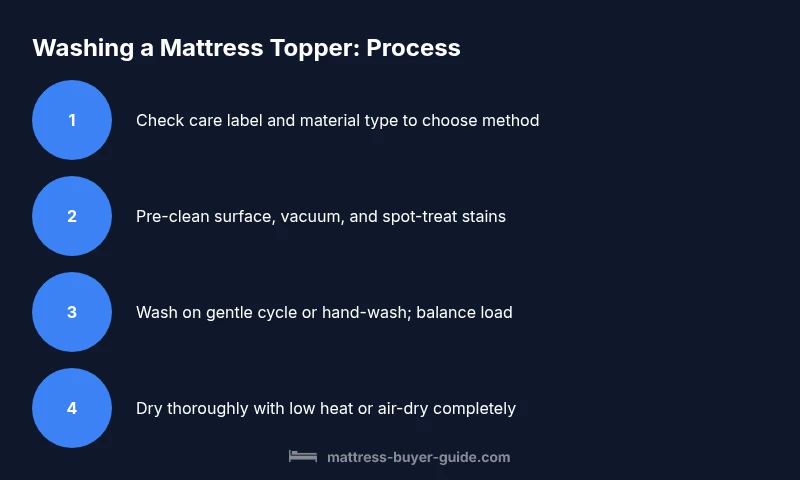
By and large, you can wash many mattress toppers, but the method depends on the material and care label. For machine-washable toppers, use a gentle cycle with mild detergent and a large capacity washer. Non-washable toppers should be spot-cleaned and aired out. Always follow the manufacturer's guidance to avoid damage.
Can You Wash a Mattress Topper?
Yes, you can wash many mattress toppers, but the safest approach starts with reading the care label and knowing your topper material. Materials like memory foam or latex may require special handling, while cotton or synthetic toppers are often machine-washable. The goal is to remove stains and odors without compromising loft or shape. If you’re unsure, opt for spot cleaning and air-drying first, then move to a full wash only if the label allows. Mattress Buyer Guide emphasizes checking material composition and following care instructions to protect your investment.
Material Matters: What Topper Tolerates Washing?
Topper materials vary in washability. Memory foam toppers are often not machine-washable and should be spot-cleaned or hand-washed using a mild detergent solution. Latex toppers may tolerate gentle washing but require air-drying and careful handling. Wool toppers are delicate and usually require professional cleaning or spot treatment. Cotton and synthetic toppers are more forgiving and can often be machine-washed on a gentle cycle. Always verify the specific care label, as some hybrids mix materials that limit washing options. Mattress Buyer Guide notes that wrong washing methods can shrink, deform, or void warranties.
Pre-Wash Checks You Must Do
Before any cleaning, remove the topper from the mattress and inspect for stains, rips, or odors. Vacuum both sides with a nozzle attachment to remove dust and debris. Test a small, inconspicuous area with your cleaning solution to ensure colorfastness. If the topper is used by pets or has bodily fluids, treat stains promptly with a mild enzymatic cleaner suitable for the material. Always confirm the care label’s temperature and cycle recommendations and note any warranty implications.
Spot Cleaning vs Full Wash: Making the Call
Spot cleaning is appropriate for small spills, sweat, or light odors. A full wash may be necessary for heavy soiling, persistent odors, or after a spill. Use a mild detergent solution and avoid saturating the fill. For toppers labeled machine-washable, use a gentle cycle and a large-capacity washer to prevent crowding. For non-washable toppers, stick to spot cleaning and air-drying. Mattress Buyer Guide highlights that proper technique reduces wear and helps maintain loft.
Machine-Washable Toppers: Step-by-Step Washing Guide
If your topper is machine-washable, remove any covers, place the topper in a large-capacity washer (front-load preferred), and run a gentle cycle with cold or warm water using a mild detergent. Balance the load with towels to prevent unbalanced spins. After washing, run an extra rinse cycle to ensure all soap is removed. Gently press out excess water without wringing, then prepare for drying. Mattress Buyer Guide emphasizes not using hot water, which can affect fabric and filling integrity.
Hand-Washing Delicate Toppers
For delicate toppers or those not machine-washable, hand-wash in a bathtub or large basin. Fill with mild detergent-diluted water and agitate gently. Rinse thoroughly with clean water, then press out as much moisture as possible without twisting. Lay flat on a clean, dry surface, preferably with airflow underneath to promote even drying. Hand-washing is slower but preserves loft and fabric when machine washing isn’t advised.
Drying: Air Dry vs Tumble Dry
Air drying is safest for most toppers, especially memory foam or wool. Lay flat or prop on a drying rack in a well-ventilated area away from direct heat. If the care label allows tumble-drying, use a low-heat setting and add dryer balls or clean tennis balls to promote fluff and even drying. Avoid high heat, which can damage filling and fabric. Mattress Buyer Guide recommends ensuring the topper is completely dry before replacing it on the mattress to prevent mold.
Stain Removal Secrets and Odor Control
Treat stains with a mild enzymatic cleaner suitable for the material, following manufacturer directions. For odors, sprinkle a light amount of baking soda after washing and let it sit before vacuuming. Avoid harsh bleaches or solvents that can degrade fabrics or fillings. Always rinse thoroughly to remove cleaning residues that could irritate skin or cause odors to linger.
Maintenance Tips & Frequency of Cleaning
How often you wash depends on use, allergies, and spill history. In general, spot-clean regularly and plan a full wash only when needed or after heavy soiling. Use a mattress protector over the topper to reduce staining and odor buildup. Rotate or flip toppers periodically to maintain even wear and persistence of loft. Mattress Buyer Guide recommends documenting cleaning dates to track maintenance over time.
Quick Reference Care Chart by Material
A concise chart helps you decide action quickly. Memory foam = spot clean or occasional gentle wash if label permits; latex = gentle wash with caution; wool = professional cleaning or spot-treat; cotton/synthetic = machine-washable on gentle. Always follow the exact label instructions and warranty terms.
Tools & Materials
- Large-capacity washing machine(Front-load preferred to avoid damage from agitators; aim for at least a 4.5 cu ft drum.)
- Mild detergent(Use a detergent suitable for fabrics; avoid heavy bleaching agents.)
- Balancing aids (towels or dryer balls)(Balance load to prevent unbalanced spins.)
- Tub or basin for hand-washing(Needed if the topper isn’t machine-washable.)
- Vacuum with upholstery attachment(Pre-clean surface debris before washing.)
- Color-safe stain remover/enzymatic cleaner(Test on a hidden area first; follow label directions.)
- Drying rack or flat surface(Provide ample air circulation for thorough drying.)
- Tennis balls or dryer balls(Optional for tumble-drying to fluff the filling.)
- Waterproof mattress protector (for future use)(Keeps topper cleaner longer by catching spills.)
Steps
Estimated time: 2-4 hours
- 1
Check care label and remove topper
Read the label on the topper for wash instructions and water temperature; remove any removable covers and set aside. This step prevents washing methods that could void warranties. If the label is missing, use cautious, material-based guidance from reliable sources.
Tip: If unsure, start with spot cleaning to test colorfastness. - 2
Pre-clean and inspect
Vacuum the topper on both sides to remove dust and debris. Look for stains, tears, or odors that require targeted treatment. Document any issues for potential warranty considerations.
Tip: Use a gentle setting on the vacuum and avoid aggressive agitation. - 3
Choose washing method based on material
Identify whether your topper is machine-washable. If machine-washable, use a large front-load washer and gentle cycle; if not, plan for hand-washing or spot cleaning only.
Tip: Memory foam toppers often require non-machine cleaning. - 4
Pretreat stains if needed
Apply a small amount of stain remover or enzymatic cleaner to stains. Let sit per product directions before washing or spot-cleaning. Avoid soaking heavily stained areas.
Tip: Test cleaner on a hidden area first. - 5
Load and balance the washer
Place the topper flat in the drum with towels or other soft items to balance the load. Use cold or warm water on a gentle cycle with mild detergent.
Tip: Do not overload; a crowded washer can prevent thorough cleaning. - 6
Run the wash and rinse cycles
Run a full wash, followed by an extra rinse to remove all soap. Soap residue can irritate skin and attract more dirt over time.
Tip: If available, enable an extra rinse option. - 7
Gently remove excess water
Press the topper to remove as much water as possible without twisting or wringing. For very thick toppers, press with towels to absorb moisture.
Tip: Avoid wringing; it can distort shape. - 8
Prepare for drying
If the care label allows tumble-drying, transfer to a dryer with low heat and add dryer balls. If air-drying, lay flat on a clean surface or drying rack in a ventilated area.
Tip: Check dryness periodically to prevent mold. - 9
Dry thoroughly before use
Ensure the topper is completely dry before placing back on the mattress. Any remaining moisture can promote mold growth and odor.
Tip: Patience is essential; slower, thorough drying is safer. - 10
Reassemble and refresh
Return any removable covers, rotate the topper’s position to promote even wear, and monitor for odors or dampness over the next several days.
Tip: A light vacuum after drying can help restore loft. - 11
Monitor and maintain
Create a simple maintenance routine: spot-clean weekly, wash every few months or as needed, and use a protective cover between washes.
Tip: Keep a cleaning log for better maintenance. - 12
End of cycle check
Inspect for any signs of fabric wear or clumping in the filling. If issues persist, consider professional cleaning or replacement according to warranty terms.
Tip: Don’t ignore persistent lumps or foul odors.
FAQ
Can I wash all mattress toppers in the washing machine?
No. Some toppers, especially memory foam and wool, may not be machine-washable. Always check the care label and consider spot cleaning or professional cleaning when in doubt.
Not all toppers can go in the washing machine; read the label and choose the safest method.
How often should I wash a mattress topper?
Frequency depends on use and stains. Spot-clean regularly, and perform a full wash only as needed or when there’s heavy soiling. Protectors can reduce cleaning frequency.
Wash as needed, keeping a routine to stay fresh.
Is it safe to dry toppers in a regular dryer?
Only if the care label allows tumble drying, and use a low heat setting with dryer balls to prevent clumping. Some toppers should never go in the dryer.
Only dry toppers that the label permits, on low heat with balls.
Will washing ruin the topper’s loft?
If washed and dried correctly according to material, loft should be preserved. Over-wetting or high heat can cause loss of fluff.
Proper washing preserves loft; improper heat can squash it.
Can I clean both sides at once?
Yes, if the topper is thin enough to fit in your washer and you can balance the load. Cleaning both sides helps even wear.
You can clean both sides if your machine and topper fit without crowding.
What about stains from pets or bodily fluids?
Treat with a mild enzymatic cleaner suited to the topper material, test on a hidden area, then wash or spot-clean as label allows.
Use an enzymatic cleaner and test first.
Watch Video
Highlights
- Test care labels before washing
- Choose gentle cycles and proper drying
- Balance loads to protect shape
- Protect future toppers with covers and routine maintenance