How to Use a Bed Pan: A Step-by-Step Guide
A comprehensive guide to safely using a bed pan in home care, covering setup, positioning, hygiene, disposal, and tips to protect dignity for caregivers and patients.


This guide shows you how to safely use a bed pan for adult care, including setup, positioning, hygiene, and disposal. You’ll learn common mistakes to avoid, what to have on hand, and how to minimize discomfort for the person receiving care. By following these steps, you can maintain dignity and reduce spill risks in a home setting.
What is a bed pan and when is it used
A bed pan is a shallow, crescent-shaped vessel designed to collect urine or feces from a person who cannot get out of bed. It is commonly used after surgery, during illness, or when mobility is limited due to injury or frailty. In residential settings, a bed pan can prevent incontinence from becoming a safety hazard and helps caregivers maintain basic hygiene. If you ask 'how do you use bed pan?', the answer begins with planning, privacy, and a calm, patient-centered approach. For many households, mastering this skill reduces stress and preserves dignity for the person receiving care. Bed pans come in different materials (plastic or metal) and designs; choose one that fits the patient’s size, comfort needs, and the caregiver’s ability to position it securely. In a typical home-care scenario, you will also want to have disposable pads, towels, and a clean disposal system close at hand to make the process efficient and safe. According to Mattress Buyer Guide, focusing on comfort and safety in in-bed care can improve sleep quality and overall well-being for households managing mobility challenges.
Safety and hygiene foundations
Safety and hygiene are the foundation of bed pan care. Always wear disposable gloves and perform hand hygiene before and after handling the bed pan. Keep a dedicated cleanup area to prevent cross-contamination, and use barrier sheets or absorbent pads to protect the patient’s bedding. The care environment should remain calm and private, with answers and reassurance as needed. The Mattress Buyer Guide Team emphasizes that caregiver comfort and patient dignity are essential for sustainable home care, and that hygiene reduces the risk of infection or skin irritation. After use, seal the waste in a disposal bag and place it in a covered bin to control odors and contain contamination. If available, use a small hand-held wipe or cloth with soap and water to clean the patient’s skin around the hips and buttocks before removing the bed pan.
Choosing and preparing the bed pan
Bed pans vary in material and design. Plastic bed pans are lightweight and easy to clean, while metal pans are durable but heavier. For frail or sensitive skin, a soft, well-fitted bed pan with a gentle rim is preferable. Before use, inspect the pan for cracks or sharp edges and warm it slightly (if safe to do so) to increase comfort. Prepare a clean, dry surface for the pan and lay down barrier sheets or towels to catch spills. Assemble supplies within arm’s reach: gloves, wipes, soap, water, toilet paper, disposable bags, and a sheet or blanket to cover the patient for privacy. The Mattress Buyer Guide Team notes that choosing the right equipment reduces strain on both the caregiver and the patient, improves comfort, and supports easier cleanup.
Positioning and patient comfort
Positioning is critical to minimize discomfort and prevent spills. Have the patient lie flat or slightly on their side with the hips aligned to the bed pan. If the patient can roll, help them to position onto one side while supporting the torso with pillows or a rolled towel. For women who are menstruating or for anyone concerned about leakage, use an absorbent pad or waterproof barrier. Ensure the bed pan sits securely under the buttocks with a shallow curve toward the front to collect waste effectively. Communicate during the process to reassure the patient, explain each step, and respect their privacy by drawing curtains or closing doors. The Mattress Buyer Guide Team stresses that dignity and comfort are not luxuries but essential parts of safe, practical caregiving.
Aftercare and disposal
When waste is collected, carefully roll the patient to a comfortable position and lift the bed pan. Empty the contents into the toilet, rinse the pan with warm water, and wash with soap. Dry thoroughly to avoid skin irritation in future uses. Disinfect the pan according to the product instructions and let it air-dry before storing. Remove gloves and wash your hands immediately. Replace any used linens, and launder them promptly. If you used disposable barriers, seal and discard them safely to minimize odor and contamination. The Mattress Buyer Guide Team reminds caregivers to document any unusual observations (pain, bleeding, or skin redness) and seek medical advice if symptoms persist.
Common mistakes and how to avoid them
Common mistakes include skipping hand hygiene, failing to provide privacy, using an ill-fitting bed pan, and rushing the transfer. To avoid spills, ensure the bed pan is centered and stable before use. Always explain the steps to the patient and check for comfort and signs of distress. If the patient cannot speak, watch for nonverbal cues and adjust accordingly. Finally, never mix cleaning tasks with other chores; dedicate a clean, organized workflow to minimize cross-contamination. The Mattress Buyer Guide Team emphasizes that careful technique and a calm approach reduce anxiety for both caregiver and patient.
Tools & Materials
- bed pan (plastic or metal)(Choose size and design based on patient comfort and mobility.)
- disposable gloves(Use powder-free disposable gloves; dispose after each use.)
- absorbent barrier pads or towels(Place under and around the bed pan.)
- soft wipes or washcloths(For gentle cleansing around the area.)
- soap and water or sanitizing wipes(For cleaning the patient and equipment.)
- toilet paper or wipes(For cleaning and comfort.)
- disposable waste bags or lined bin(Seal waste promptly.)
- barrier cream or skin moisturizer(Optional to protect skin after care.)
- hand sanitizer(If soap and water aren’t available immediately.)
Steps
Estimated time: 60-90 minutes
- 1
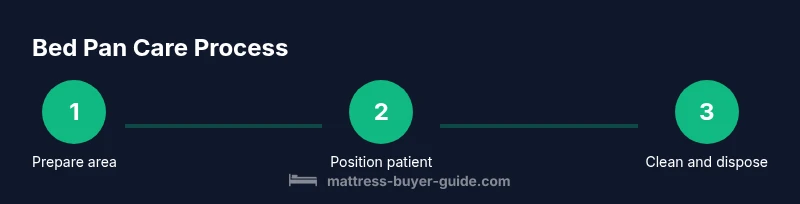
Prepare the area and supplies
Clear the bedside area and gather all supplies within reach. Explain the plan to the patient if possible and ensure privacy with curtains or a door. This reduces anxiety and speeds up the process.
Tip: Have everything laid out on a tray or table to minimize searching mid-care. - 2
Put on gloves and wash hands
Don the gloves and perform hand hygiene. This protects both you and the patient from potential contamination and begins a hygienic workflow.
Tip: Avoid touching faces after donning gloves to prevent transfer of germs. - 3
Position the patient and bed pan
Gently position the patient and align the bed pan with the patient’s hips. The rim should face upward and be centered to prevent spills. Secure the patient as needed with pillows for support.
Tip: If the patient is restless, pause and reassure them before proceeding. - 4
Assist with elimination and monitor comfort
Support the patient as they use the bed pan, speaking calmly and offering reassurance. Check frequently for signs of discomfort or distress and adjust the position if needed.
Tip: Provide privacy even during the moment of elimination to maintain dignity. - 5
Remove and secure the bed pan
Carefully slide the bed pan out from under the patient without spilling. Place it on a stable surface for emptying, ensuring you don’t contaminate surrounding areas.
Tip: Keep the pan level to minimize spills. - 6
Dispose, clean, and disinfect
Empty contents into the toilet, rinse with warm water, wash with soap, and dry thoroughly. Sanitize the pan or switch to a new one if needed, and dispose of waste bags properly.
Tip: Follow local waste disposal guidelines for medical waste. - 7
Refresh bedding and perform hand hygiene
Change any soiled linens and tidy the bed area. Remove gloves, perform hand hygiene again, and wash hands thoroughly to finish the process.
Tip: Launder soiled linens promptly to prevent odor and infection risk. - 8
Document and observe
Note any unusual observations (skin irritation, changes in elimination, pain). Share concerns with a healthcare professional if needed and ensure follow-up care.
Tip: Keep a simple log to help clinicians track changes over time.
FAQ
When should a bed pan be used instead of a urinal?
A bed pan is typically used when the patient cannot safely stand or transfer to a toilet, such as after surgery or with limited mobility. A urinal may be used when the patient can sit up and reach it comfortably. Always follow a clinician’s guidance for the safest option.
Use a bed pan when the patient cannot safely reach a toilet or urinal; otherwise, choose the option advised by a clinician.
How do you position a patient to use a bed pan safely?
Position the patient flat or slightly elevated, align hips with the bed pan, and support the torso with pillows as needed. Communicate clearly and check comfort before proceeding.
Keep the patient comfortable and secure, aligning hips with the bed pan and offering reassurance throughout.
How do you clean and sanitize a bed pan after use?
Dispose of waste in the toilet, rinse the pan with warm water, wash with soap, dry thoroughly, and disinfect before reuse or storage. Always follow local guidelines for waste disposal.
Rinse, wash with soap, dry, and disinfect the pan after disposal.
What supplies are essential for bed pan care?
Essential supplies include a bed pan, disposable gloves, barrier pads, wipes or cloths, soap and water, toilet paper, and a disposal bag for waste.
Have gloves, pads, wipes, soap, toilet paper, and a disposal bag ready.
How often should you check on a patient using a bed pan?
Check the patient’s comfort and safety frequently during use. If distress is detected, pause, reassure, and adjust positioning as needed.
Check often and adjust for comfort if the patient shows any signs of discomfort.
How can you protect patient dignity during bed pan care?
Explain each step, cover with a privacy screen, speak calmly, and avoid exposing the patient more than necessary. Respect and patience are key.
Explain steps, maintain privacy, and treat the patient with respect throughout.
Watch Video
Highlights
- Prepare area and privacy before starting
- Use proper PPE and hygiene at every step
- Position for comfort and stability to prevent spills
- Clean, disinfect, and dispose of waste safely
- Document observations for ongoing care