How to Disinfect a Mattress Safely for Clean Sleep
Learn a safe, step-by-step method to disinfect a mattress using fabric-safe cleaners, tested techniques, and thorough drying. Perfect for homeowners, renters, and anyone seeking a healthier sleep environment.


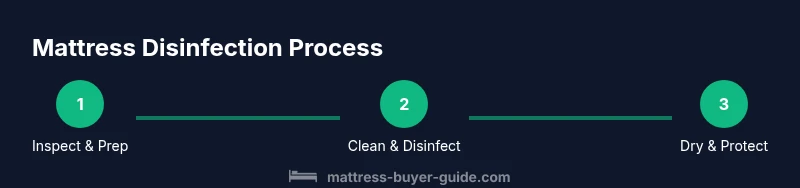
To disinfect a mattress safely and effectively, follow a structured plan. Start with a quick inspection for stains and odors, then select fabric-safe cleaners, test a hidden spot, and apply light, even misting or brushing. Finish with thorough drying in a well-ventilated room and a fresh mattress protector to maintain cleanliness.
Why Disinfecting a Mattress Matters
A clean mattress directly influences sleep quality and overall health. Over time, a mattress accumulates sweat, skin flakes, dust mites, and odors, which can affect comfort and trigger allergies. Disinfection is about reducing microbes and contaminants, not just removing visible dirt. Mattress Buyer Guide emphasizes that a deliberate, organism-aware approach—paired with safe cleaners and careful drying—helps preserve fabric integrity while creating a healthier sleep surface. Importantly, understand the difference between cleaning and disinfection: cleaning clears debris; disinfection targets microbes. Starting with a visual check helps you tailor the method to your mattress type (foam, latex, innerspring) and avoid over-wetting. Foam and latex are more sensitive to moisture, while some fabrics tolerate heavier cleaning. Your objective is a fresh, clean surface that supports comfort and longevity.
According to Mattress Buyer Guide, a routine disinfection plan can help manage allergens and odors without compromising the mattress’s structural materials. A thoughtful approach also reduces the need for more aggressive chemicals later. This section lays the groundwork for choosing the right cleaners and safe techniques that won’t void warranties or damage delicate fibers. Remember to consider the room’s ventilation and your personal sensitivities when you begin.
Common Contaminants and Risks
Mattresses can harbor a variety of contaminants, including sweat residues, skin cells, body oils, and dust mites. These substances contribute to staining, odors, and potential allergen exposure. Prolonged dampness invites mold growth and fabric breakdown, especially in humid environments. When you disinfect, you’re aiming to reduce microbial load and odors while preserving the mattress’s feel. Risks vary by mattress type: foam can be punctured by excess moisture or harsh chemicals, latex handles moisture better but can yellow with certain cleaners, and innerspring surfaces may trap residues around coils. Understanding these distinctions helps you tailor step-by-step methods that minimize risk. The goal is a clean, sanitary sleep surface without compromising the mattress’s integrity or warranty.
Safety First: Choosing Cleaning Agents
Selecting the right cleaners is critical for safety and effectiveness. Favor fabric-safe cleaners and milder options that do not degrade foam or fabric finishes. Enzyme-based stain removers work well on organic stains; hydrogen peroxide can be effective on light fabrics but may bleach color. For odor control, consider baking soda as a deodorizer after cleaning. Always perform a patch test on a hidden area to confirm colorfastness and fabric compatibility. Avoid chlorine bleach on most mattresses, especially foam and color-treated fabrics, as it can damage fibers and shorten the mattress’s life. If you must sanitize, dilute products according to label directions and use them sparingly with ample ventilation. Mattress Buyer Guide reminds readers that the safest approach prioritizes gentleness over speed. Always wear gloves and a mask if using stronger cleaners, and keep liquids away from zippers, seams, and the underside of the bed.
Prep Your Mattress Before Cleaning
Preparation is half the job. Strip the bed and launder all removable covers if possible. Vacuum the mattress surface and seams thoroughly to remove dust, hair, and loose debris. Work from top to bottom, using a crevice tool to reach side seams and tufted areas. If moisture has penetrated, consider placing a towel under the mattress to absorb runoff. Remove the mattress and bedding from the room to avoid cross-contamination and to ensure proper ventilation. Gather your cleaning supplies, including a spray bottle, microfiber cloths, and a fan or open window. A clear plan reduces the risk of over-wetting and ensures you can monitor drying progress later.
Cleaning Solutions: What Works and What to Avoid
A combination of gentle cleaners and enzymatic treatments often yields the best results. For surface cleaning, a mild detergent solution (water plus a small amount of gentle detergent) can remove oils and grime. For tougher stains, apply a small amount of hydrogen peroxide (3%) to the stain and blot gently; test first on a hidden area to ensure colorfastness. For odor control, sprinkle baking soda after cleaning and leave it for several hours before vacuuming. Avoid harsh solvents, ammonia-based products, and bleach on foam or latex; these can degrade structural materials or cause discoloration. In general, less moisture reduces drying time and the risk of mold. If in doubt, consult the mattress’s care label and use manufacturer-approved cleaners when available. Remember that the goal is to sanitize while keeping the fibers intact.
Step-by-Step Disinfection Process
- Inspect the mattress for stains, moisture, and odors; plan your cleaners accordingly. This initial scan helps you decide whether to pre-treat and which solution to use.
- Vacuum the surface and seams with the upholstery attachment to remove debris and dust mites. This step reduces the microbial load and prepares the fabric for cleaning.
- Spot-treat stains with a mild detergent solution or enzyme cleaner; allow a few minutes for the treatment to work, then blot with a clean microfiber cloth. Avoid scrubbing aggressively as this can embed stains deeper into the fibers.
- Apply a light disinfectant that is safe for fabric types (foam, latex, or innerspring). Do not oversaturate; use a fine mist and allow the fabric to absorb before proceeding. Follow with a wipe-down to remove any residue.
- Rinse or blot away residue as needed; ensure the mattress is not overly wet. Excess moisture can prolong drying time and promote microbial growth.
- Drying is critical. Increase airflow with fans or a dehumidifier; open windows if weather allows. Do not use high heat on foam; choose a cool setting if you must use a hair dryer for localized areas.
- After drying, replace the bedding and use a breathable mattress protector to maintain cleanliness and reduce future staining.
Drying, Curing, and Post-Cleaning Care
Drying is the stage where risk of mold and odors dramatically drops if you achieve thorough evaporation. Use a fan or dehumidifier to accelerate moisture removal, and keep the room well-ventilated for several hours after you finish cleaning. If you can, place the mattress in a sunny room for a short period to help with natural drying, but avoid prolonged direct sun on some fabric types that may discolor. Once dry, vacuum again to remove any residual baking soda or dried cleaner residue. Periodic rotation and a regular protector can extend the new clean feel and reduce the likelihood of future staining. Monitor the mattress for any lingering odors or dampness in the days following the disinfection, and re-treat only if necessary using the same careful methods.
Special Scenarios: Allergies, Pets, and Stains
Allergies heighten the importance of a meticulous disinfection routine. Use HEPA-filtered air movement and avoid volatile organic compounds (VOCs) when possible. For households with pets, pets’ dander can become embedded in fibers; consider more frequent, lighter cleaning cycles instead of heavy-duty treatments. Persistent stains or odors may require enzyme-based cleaners or professional-grade products, but always patch-test first. If you’re cleaning a latex or memory-foam mattress, be extra cautious with moisture and ensure complete drying to prevent odor formation and mold growth. In all cases, prioritize methods that keep the material intact and avoid soaking the core.
Maintenance Habits to Keep It Fresh
To preserve a disinfected mattress, maintain good sleep hygiene and a clean sleeping environment. Use a breathable mattress protector and wash it regularly to reduce contamination. Vacuum weekly or biweekly depending on usage and household factors (pets, allergies, etc.). Rotate the mattress every 3–6 months to promote even wear and prevent indentations where moisture could accumulate. Finally, keep humidity levels in check with a dehumidifier or air conditioning in damp climates, which supports faster drying and reduces the chance of microbial growth between cleanings.
Tools & Materials
- Vacuum cleaner with upholstery attachment(Use to remove dust, dust mites, and debris from mattress surface and seams.)
- Microfiber cloths(Lint-free, for wiping and blotting; replace when dirty.)
- Spray bottle(Fill with cleaning solution (see below) for even application.)
- Mild detergent or enzyme cleaner(For spot cleaning and stain removal; test on hidden area.)
- Hydrogen peroxide 3%(For light fabric stain treatment; test first.)
- Isopropyl alcohol 70%(Optional sanitizing spray for hard-to-clean spots; avoid on foam if possible.)
- Gloves(Protect skin; nitrile recommended.)
- Mattress protector(Optional after disinfection to reduce future stains.)
Steps
Estimated time: 45-90 minutes active; 2-6 hours drying time depending on ventilation
- 1
Inspect the mattress and plan cleaning
Begin with a visual inspection for stains, moisture, and odors. Note areas that require extra attention and decide on the disinfection method based on mattress type (foam, latex, innerspring). A clear plan minimizes risk of over-wetting and preserves fabric integrity.
Tip: Take a photo of problem areas before you start to track progress. - 2
Ventilate the room and protect the area
Open windows or use a fan to ensure good airflow. Remove bedding and any washable covers, and place a protective barrier beneath the mattress to catch drips or runoff.
Tip: Keep liquids away from box springs and bed frames to prevent moisture transfer. - 3
Vacuum surface and seams
Use the upholstery tool to thoroughly vacuum the top, sides, and seams. This step removes dust mites and loose debris that can interfere with cleaning and disinfection.
Tip: Pay particular attention to tufted areas and edges where debris tends to accumulate. - 4
Spot-treat stains
Apply a small amount of mild detergent solution or enzyme cleaner to stains. Let it sit for a few minutes, then blot—do not rub—to lift the stain.
Tip: Test on a hidden area first to ensure colorfastness. - 5
Apply a light disinfectant
Use a fabric-safe disinfectant or diluted hydrogen peroxide on light fabrics. Apply sparingly with a fine mist, avoiding soaking the core. Wipe away any residue with a clean microfiber cloth.
Tip: Ventilate well and avoid saturating the mattress core. - 6
Rinse and blot excess moisture
If any solution remains, blot with a dry cloth to remove moisture. Do not rinse with excess water; this can prolong drying and invite mold growth.
Tip: Blot, don’t rub, to prevent fiber damage. - 7
Dry completely
Increase airflow with fans or a dehumidifier. If possible, place the mattress in a dry, sunny spot for a short period, but avoid prolonged sun on sensitive materials.
Tip: Ensure no dampness remains at seams and edges.
FAQ
Can I safely disinfect all mattress types (foam, memory foam, latex)?
Most mattress types can be disinfected with care, but foam and memory foam require gentler cleaners and less moisture. Latex is generally robust but still benefits from patch testing and minimal liquid exposure. Always check the care label and patch-test before full treatment.
Most mattresses can be disinfected, but foam and latex require gentler cleaners and careful moisture control.
Is bleach recommended for mattress disinfection?
Bleach is generally not recommended for mattresses because it can damage fibers and colors, especially on foam or latex. If necessary, use only diluted bleach on non-foam fabrics and test first.
Bleach isn’t usually recommended; it can damage fabrics and foam. Use milder cleaners first.
Is steam cleaning safe for mattresses?
Steam can sanitize surfaces, but it adds moisture. Ensure the mattress type can tolerate humidity and that you dry it completely afterward. Avoid steam on foam cores if the manufacturer advises against it.
Steam can help, but be sure the mattress can handle moisture and dry thoroughly afterward.
How long does it take for a mattress to dry after cleaning?
Drying times vary with room temperature and airflow but typically range from 2 to 6 hours. In humid environments, it can take longer, so use fans or dehumidifiers to speed up the process.
Most mattresses dry in a few hours with good ventilation; in humid rooms, it can take longer.
Will cleaning void the mattress warranty?
Some warranties require manufacturer-approved cleaning methods. Check your warranty terms before using strong cleaners and keep receipts or labeling for reference if needed.
Warranties can be affected by the cleaning method; check terms before you begin.
Can I machine-wash the mattress cover?
Many mattress covers are machine washable, but foam or latex cores must stay dry. Follow the care label and use a gentle cycle with mild detergent.
Yes, but only if the cover is machine washable and you keep the core dry.
Should I disinfect a box spring as well?
Box springs can harbor dust and bacteria; if cleaning, avoid soaking and ventilate well. Wipe down with a mild cleaner and let thoroughly dry before reassembling.
If you disinfect a box spring, use light cleaning and ensure it dries completely.
Watch Video
Highlights
- Test cleaners first to protect fabric
- Disinfect with fabric-safe products only
- Dry thoroughly to prevent mold and odors
- Keep moisture away from seams and core
- Use a protective cover to extend cleanliness