How to Make a Comfortable Bed Without a Mattress
Learn practical, step-by-step methods to create a comfortable bed without a mattress. From solid bases to layered cushioning and breathable top layers, this guide shows safe, budget-friendly setups for better sleep.


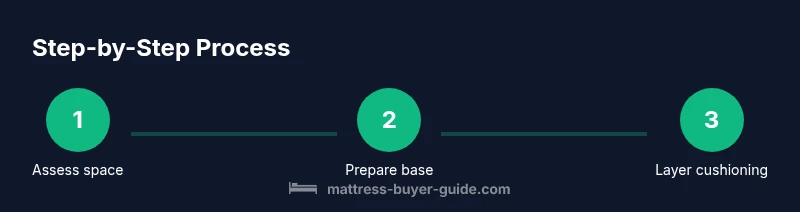
With careful layering, you can sleep comfortably without a traditional mattress. Start with a flat, sturdy base, add a cushioning layer, then top with breathable blankets or a memory-foam topper, and finish with a fitted sheet. This layered approach spreads weight, supports spinal alignment, improves airflow, and can be a practical alternative when a mattress isn’t available.
Why sleep without a mattress
For many people, a traditional mattress is just one option among several ways to create a comfortable sleep surface. If a mattress is unavailable, too expensive, or simply not desirable, you can still design a bed that supports your body and promotes restful sleep. According to Mattress Buyer Guide, sleepers explore mattress-free setups to emphasize airflow, core support, and a clean, simple sleeping surface. In practice, a mattress-free bed relies on a solid base, an even top layer, and careful layering to distribute weight without creating pressure points. The result should be a flat, stable surface that lets your joints align naturally and your muscles relax. Your goal is to reproduce the sensations of a well-constructed bed using available materials, balancing firmness, cushion, and temperature management. This approach also emphasizes safety, hygiene, and maintenance so the setup remains comfortable over time.
Core principles for comfort without a mattress
Before you start assembling, anchor your plan in a few core principles. First, ensure an exceptionally flat, stable base that won’t sag. An uneven surface creates micro-postures that can lead to morning stiffness. Second, aim for layers that spread weight evenly and reduce concentrated pressure on hips, shoulders, and the lower back. Third, prioritize breathability. Natural fibers and open-weave textiles help regulate temperature and wick moisture, so you don’t wake with clammy skin. Fourth, prefer materials with durability and resilience; high-density cushions or thick quilts can provide long-lasting comfort without a traditional mattress. Finally, think about hygiene and maintenance; a washable cover or easy-to-clean top layer makes it feasible to refresh the setup periodically. Based on Mattress Buyer Guide research, a well-planned layered surface can offer a comfortable, supportive alternative that minimizes sag and heat buildup.
Building a solid base: base materials and frames
The base is the backbone of a mattress-free bed. Start with a bed frame or platform that presents a flat, square surface across its entire footprint. If you’re using a traditional frame, add a solid underlayment or a rigid sheet to eliminate gaps between slats. A sturdy base should resist flex, warp, and excessive movement when you roll or shift positions at night. Consider a dense, even panel that sits securely on the frame. For space-saving setups, many people convert an existing frame with a low-profile solid panel, then cover it with a fabric bed skirt or a low-profile topper. The key is flatness and stability, not height. If you’re working with a smaller space, ensure the base doesn’t slide and can be anchored to keep it flush with the headboard. A stable base sets the stage for comfort and alignment.
Layering for cushioning: top layers that work
The top layer provides the cushion your body needs, but it should still breathe. Options include a high-density foam topper, thick quilts, or a pile of breathable blankets folded to create a soft, quilted surface. When choosing top layers, balance softness with support; too-soft layers can compress quickly and leave you feeling rigid or achy. A memory foam topper can contour to the body while still offering support, but it may retain heat unless paired with breathable fabrics. If you prefer natural fibers, a few large wool blankets layered together can deliver warmth and loft without trapping moisture. Place the top layers evenly and smooth out any bumps before putting on a fitted sheet. Ensure the layers don’t shift during the night by tucking edges or using a snug sheet. This layered approach mirrors the feel of a conventional mattress by distributing weight more evenly and reducing areas of high pressure.
Temperature and airflow management
Temperature control is essential for a mattress-free setup. Even with a firm base, overheating or sweating can disrupt sleep. Choose breathable covers and natural fibers for the top layers; cotton, linen, or bamboo fabrics promote air flow and moisture evaporation. If you live in a warm climate, avoid dense synthetic padding that traps heat. In cooler environments, layering with lighter blankets can help you adjust without creating too much insulation. Consider a light, washable cover for the top layer to facilitate easy cleaning. Ventilation around the bed matters as well; keep the room well-ventilated and avoid placing the bed directly against a wall that traps warm air. By prioritizing airflow and moisture-wicking materials, you can sleep cooler and drier, even without a traditional mattress.
Spine alignment and ergonomics
Proper spinal alignment is the cornerstone of comfort, whether you use a mattress or not. Start by evaluating your preferred sleeping position and how the base responds to that posture. A firmer base supports the spine in a neutral alignment, while too-soft top layers may allow sagging at the shoulders or hips. You can add a small pillow under the knees for back sleepers or a neck roll for side sleepers to keep the head level with the spine. If you wake with aches, adjust the layering to increase cushion under pressure points while keeping the midsection supported. Avoid sharp transitions between base and top layers; abrupt changes create hotspots that disrupt sleep. Over time, you may find that a slightly firmer top layer yields better alignment for longer nights.
Safety, hygiene, and maintenance
Safety matters as much as comfort. Ensure all fabrics are flame-resistant or compliant with your local safety standards, especially if you use toppers or blankets that could trap heat. Regular cleaning is crucial: wash covers, refresh the top layers, and vacuum the base to prevent dust buildup. Keep moisture to a minimum by ensuring breathable materials and adequate room ventilation. If you spot mold or musty smells, address the humidity issue and replace affected layers. A mattress-free setup can be refreshed seasonally by rotating layers, washing fabrics, and inspecting the base for signs of wear. A little upkeep goes a long way toward maintaining comfort and extending the life of your bedding system.
DIY budget setups: two ready-to-build examples
Example A: Simple base with quilted top layers. Start with a flat base, add a dense foam topper, and finish with several layers of breathable blankets folded to create a plush, even surface. Cover with a fitted sheet to prevent shifting and add light pillows for neck support. Example B: Platform base with memory foam topper. Use a solid platform, place a memory foam topper on top for contouring comfort, then layer lightweight blankets for warmth. End with a breathable duvet cover. Both setups emphasize flatness, good airflow, and layer balance to simulate a conventional mattress’s feel without the price tag.
Maintenance and long-term care
Rotate top layers every few weeks to prevent permanent indentations, and launder removable covers regularly. Inspect the base for wobble and tighten fasteners as needed. If you notice any sagging, replace the top cushion with a denser option or add an additional layer to restore support. Keep the setup dry by using breathable fabrics and avoiding moisture traps. With consistent care, a mattress-free bed can remain comfortable for years, offering a practical sleep solution during transitions or budget constraints.
Troubleshooting and quick fixes
If you wake with hip or shoulder stiffness, adjust the top layer thickness or add a small bolster under the hips. If the surface feels too hard, increase the padding in the shoulder area or add a lighter layer on top. If heat buildup is an issue, swap in cooler fabrics or reduce the overall loft of the top layers. Finally, ensure your base remains perfectly flat; use a level and address any gaps or wobble to prevent new pressure points from forming.
Tools & Materials
- Solid flat base or platform frame(Sturdy enough to provide even support across the footprint)
- Plywood sheet (as needed to fill gaps)(Cut to fit base; helps remove slat gaps)
- Non-slip underlayment or rug pad(Prevents shifting and adds minor cushion)
- Top cushioning layer (memory foam topper or thick quilts)(Choose density and loft to balance softness and support)
- Breathable top sheet or washable cover(Helps keep top layers clean and dry)
- Fitted sheet (fits over top layers)(Secure surface and prevent movement)
- Layering blankets or comforters(High-loft but breathable materials preferred)
- Optional pillows or neck/support wedges(For ergonomic adjustments depending on sleeping position)
Steps
Estimated time: Total time: 60-120 minutes
- 1
Assess space and base
Survey the room and existing bed frame; decide whether you’ll add a solid base or modify the existing frame. Check for levelness and any wobble that could transfer to the sleep surface. This initial assessment informs every subsequent layering decision.
Tip: Use a carpenter’s level to confirm flatness before proceeding. - 2
Prepare base surface
Clear the area and inspect the base for gaps or loose slats. If needed, install a rigid panel or a plywood sheet to create a uniform, solid underside. This step prevents uneven pressure points later.
Tip: Secure any loose components with appropriate fasteners or shims. - 3
Lay down non-slip foundation
Place a non-slip pad directly on the base to reduce movement and improve surface consistency. This layer helps distribute forces across the entire surface when you move during sleep.
Tip: Choose a pad dense enough to prevent compression under typical body weight. - 4
Add base cushioning layer
Position your primary cushioning layer (foam topper or dense quilts) on top of the pad. Ensure it sits flat and covers the entire surface without edges curling up.
Tip: Smooth out any ridges and align seams to avoid pressure peaks. - 5
Add top layering for comfort
Layer breathable blankets or add a memory foam topper for contouring comfort. Distribute evenly to prevent hollow spots and ensure smooth transitions across the surface.
Tip: Avoid overly thick layers that trap heat; balance loft with airflow. - 6
Secure with a fitted sheet
Drape a fitted sheet over the top layers and pull it taut to prevent shifting. Ensure corners are tucked evenly to keep the surface stable through the night.
Tip: Choose a deep-pocket sheet if your top layers are thick. - 7
Position pillows and supports
Add pillows or neck supports as needed to align the head, neck, and spine with the rest of the body. Avoid over-stuffing, which can compress the surface and create hotspots.
Tip: Place a small bolster under the knees for back sleepers if comfortable. - 8
Test alignment and adjust
Lie down and test how the surface feels in your typical sleep position. If you notice shoulders or hips sinking too much, adjust layers for better neutral alignment.
Tip: Have a partner help check for even weight distribution. - 9
Clean and maintain
Finish by inspecting for wear and cleaning removable covers. Refresh layers periodically to maintain comfort and hygiene.
Tip: Schedule a monthly refresh cycle during seasonal changes.
FAQ
Is it comfortable to sleep without a mattress?
Yes, with the right base and layered top surfaces, many sleepers can achieve good comfort and alignment. Focus on flatness, even weight distribution, and breathable materials.
Yes. A flat base with layered cushioning can feel comfortable, especially when you pay attention to alignment and airflow.
What is the best base for a mattress-free bed?
A flat, sturdy platform or solid panel base that distributes weight evenly across the surface works best. Avoid bases that sag or wobble.
A flat, sturdy base is key for even support and proper alignment.
Can I use a foam topper alone on a hard base?
A foam topper adds cushioning but may not provide adequate support by itself. Pair it with a solid base or additional padding to maintain alignment.
A topper helps with softness, but pair it with a solid base to keep your spine aligned.
How long will a mattress-free bed last?
Durability depends on materials and care. With a sturdy base and properly maintained layers, the setup can last for years with regular refreshes.
It depends on materials and care, but a well-maintained setup can last for years.
Is this setup good for back pain?
It can help if you maintain proper spinal alignment. Adjust the top layers to support hips and shoulders and avoid sharp transitions.
It can help if you keep your spine aligned and adjust layers for support.
How do I clean and refresh a mattress-free bed?
Wash removable covers regularly, refresh top layers, and rotate components to prevent uneven compression.
Keep covers clean and refresh layers to prevent wear.
Watch Video
Highlights
- Assess space and establish a flat base first
- Layer cushioning and breathable fabrics for comfort
- Prioritize spinal alignment and airflow
- Test and adjust after a few nights
- Maintain bedding regularly to preserve comfort