What Goes on Mattress First: Practical Layering for Beds
Discover the correct order of bedding layers on a mattress, why a protector goes first, how sheets and toppers interact, and tips to extend mattress lifespan.


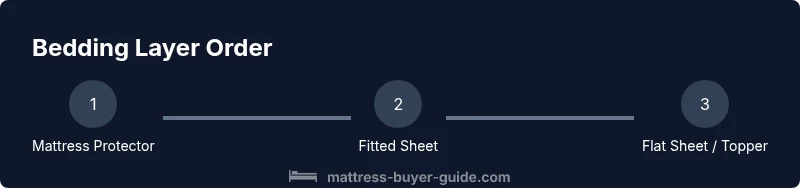
The first layer that typically goes on a mattress is the protector, placed directly against the mattress to guard against spills and stains. Next comes the fitted sheet, followed by optional layers like a topper or flat sheet depending on preference. In most households, starting with the protector is the standard approach to preserve mattress longevity.
What goes on mattress first: a practical definition
The question “what goes on mattress first” may seem simple, but the answer varies with personal habits, climate, and health considerations. In most setups, the first layer is the protector placed directly on the bare mattress to shield against stains, spills, or allergens. The protector creates a barrier that can be washed without risking the mattress’s inner materials. After the protector, the fitted sheet is added to provide a smooth sleeping surface. Some sleepers skip the protector or sheet-first approach, but for longevity and hygiene, protector-first is the widely recommended starting point. Mattress layering is not just about protection; it also affects feel, heat, and washing frequency. Mattress Buyer Guide highlights that consistent layering helps maintain mattress integrity over time and supports better sleep quality by reducing surface irregularities and promoting a stable sleeping surface. If you’re new to layering, think of the order as a protective shell first, then the comfortable surface you actually touch.
The first layer: mattress protector — why it often goes first
A mattress protector is the frontline defense for spills, accidents, and allergens. When placed directly on the mattress, it stops liquids from penetrating into the core materials and makes cleanup easier. Breathable, hypoallergenic protectors can reduce heat buildup and allergy symptoms while still allowing air to circulate. The decision to use a waterproof or breathable protector depends on your household needs, such as kids, pets, or nightly sweating. In most families, beginning with a protector also simplifies washing cycles, since the protector can be laundered separately from sheets and bedding. Mattress Buyer Guide notes that protector-first layering is associated with fewer deep-cleaning episodes and better mattress longevity over time, especially on shared sleep surfaces.
The sheet layer: fitted vs flat sheets and how they interact with protectors
The next layer is typically a fitted sheet that tucks snugly around the corners of the mattress. A fitted sheet helps keep the protector in place and creates a uniform sleeping surface. Some people prefer a flat sheet on top of the protector for a softer feel or to simplify washing, while others rely on the fitted sheet alone. The interaction between sheet type and protector matters: if the sheet is too thick, it can create extra friction under the blanket or topper; if it’s too thin, it may not offer enough cushion. The key is ensuring a secure fit around the corners to prevent shifting that could lead to discomfort during the night. A well-fitted sheet reduces wear on the protector and mattress over time.
Where toppers and pads fit into the order
Toppers and pads can be layered on top of the sheet stack to adjust firmness or comfort. In most configurations, toppers sit above the mattress and below the top sheet and blankets, though some sleepers place toppers beneath the top sheet for a smoother feel. If you use a protector that covers the topper, ensure the topper remains flat and evenly distributed to avoid creating pressure points. Consider the topper’s material—memory foam, latex, or wool—since each interacts differently with the sheet and protector in terms of heat retention and durability. Mattress layering should support both comfort and longevity, not just aesthetics of the bed.
Material considerations: cotton vs bamboo, waterproof, allergen concerns
Materials influence breathability, washability, and allergy potential. Cotton blends are common for sheets and toppers, offering a balanced feel and easy care. Bamboo fibers often provide cooler sleep and extra softness, appealing to hot sleepers. Waterproof protectors should be breathable to minimize heat buildup while still preventing leaks. Hypoallergenic options can reduce allergen exposure for sensitive individuals. When selecting layers, prioritize fabric that suits your sleep temperature, cleaning routine, and skin sensitivity. A well-chosen combination reduces friction, prolongs fabric life, and helps maintain the mattress’s structural integrity over time.
Cleaning and maintenance: extending mattress life through proper layering
Layering also impacts cleaning frequency and methods. Wash sheets weekly or as needed, wash protectors according to the care label, and spot-clean toppers when appropriate. A regular washing routine keeps allergens at bay and preserves fabric freshness. If you have pets or children, consider more frequent changes and quick washes to prevent staining and odor buildup. Additionally, inspect elastic corners on protectors and sheets for wear, replacing worn components before they fail. By maintaining clean, properly layered bedding, you extend the life of your mattress and preserve sleep quality for years to come.
Practical examples: common bed setups for couples, kids, and sleepers
Different sleepers have different layering needs. Couples may prefer a slightly firmer feel with a memory-foam topper, while kids benefit from breathable fabrics that are easy to wash. Singles or light sleepers might prioritize a cooler sheet set and a thin topper to fine-tune comfort. For shift workers or anyone dealing with night sweats, a waterproof protector plus a breathable, low-friction sheet combination often yields the best results. Consider your sleep partners, climate, washing routine, and budget when choosing the order. Mattress layering is personal, but the core principle remains: place protective, washable layers first, then add comfort layers that suit your sleep style.
Troubleshooting: common issues with layering and how to fix them
If layers shift during the night, re-evaluate the sheet fit and protector size. Ensure the protector’s corners are tightly anchored and that the fitted sheet is not too tight or too loose. For nocturnal heat or humidity, experiment with breathable fabrics and lighter toppers to improve airflow. If the mattress feels uneven, check that the protector and sheet are evenly distributed and that the topper is lying flat without folds. Small adjustments to fit and fabric choices can dramatically improve sleep comfort and reduce wear on the mattress.
Choosing your first layer: a quick decision guide
Start with a breathable, washable mattress protector if spill protection and hygiene are priorities. Pair it with a fitted sheet that matches your mattress depth and fabric preferences. If you prefer a softer sleeping surface or have temperature control needs, add a topper or a top sheet in a subsequent layer. The key is to pick materials that complement each other in breathability, washability, and feel. Mattress layering is a pragmatic habit that protects your mattress and improves sleep quality over time. By starting with protection, you set a foundation for comfort and longevity.
Tools & Materials
- mattress protector(Choose waterproof or breathable options based on spill risk and sensitivity.)
- fitted sheet(Ensure correct size for your mattress depth (twin, full, queen, king).)
- flat sheet (optional)(Optional top layer; alternative to a top sheet depending on climate and preference.)
- mattress topper (optional)(Select height and material to match desired feel; place under the top sheet if preferred.)
- duvet/comforter(Layer after top sheet; consider temperature needs.)
Steps
Estimated time: Total time: 15-25 minutes
- 1
Clear the bed area
Remove existing bedding and declutter the bed frame so you have a clean workspace. This helps you align layers evenly and reduces the chance of folds forming under the sheet. Having a clear surface also speeds up the process.
Tip: Start with all items within easy reach to minimize trips to the laundry basket. - 2
Unfold and position the protector
Lay the mattress protector flat on the mattress, ensuring it covers the entire surface and aligns with the corners. If the protector has elastic corners, secure them snugly to prevent movement.
Tip: Check care instructions; some protectors are water-repellent but not waterproof. - 3
Secure the protector corners
Tuck and smooth the protector into the corners so there are no wrinkles. A smooth base reduces sheet friction and prevents bunching under you during sleep.
Tip: If the protector has multiple panels, fit them in place before moving to the next layer. - 4
Lay down the fitted sheet
Place the fitted sheet over the protector, threading the corners and securing the elastic all around. Ensure the sheet sits tautly to avoid sagging at the corners.
Tip: Use a helper for larger sizes to ensure corners are perfectly aligned. - 5
Add the top sheet or flat sheet
If you use a flat sheet, place it on top of the fitted sheet and align the edges. If you prefer a top sheet under a duvet, position it accordingly to ensure even coverage and easy tucking.
Tip: Tuck the sheet under the mattress for a neat, secure finish. - 6
Add a topper (if desired)
Place the topper on top of the sheet stack, evenly distributing it across the surface. This step is optional and depends on your comfort goals and climate.
Tip: If using a topper, ensure it lies flat and does not create air gaps. - 7
Tuck and smooth all layers
Tuck the sheets neatly at the foot and sides, then smooth any wrinkles. A tidy bed not only looks better but also reduces stress on fabrics during washing.
Tip: Use hospital corners for a crisp finish if you like a tight look. - 8
Finish with blankets and pillows
Add blankets, duvets, and pillows in your preferred arrangement. Ensure pillowcases are clean and that pillows are evenly placed to support your head and neck correctly.
Tip: Rotate pillows regularly to extend their life and maintain support. - 9
Check final setup and adjust
Walk around the bed to verify layers are level and secure. Adjust edges if you notice any shifting during the night, and set a washing routine for the layers.
Tip: Keep a simple care schedule: wash sheets weekly; protectors monthly or as needed.
FAQ
What is the recommended first layer on a mattress?
The typical first layer is a mattress protector placed directly on the mattress to guard against spills and allergens. Some people prefer starting with a fitted sheet, but protector-first is the common default for hygiene and longevity.
Begin with a mattress protector on the mattress to guard against spills; many people then add a fitted sheet for a clean, smooth sleeping surface.
Can I skip a mattress protector?
You can skip a protector, but it increases the risk of staining and absorbing sweat or oils into the mattress. If you skip it, ensure you wash and protect the mattress in other ways and consider a high-quality sheet with stain resistance.
You can skip it, but it raises the risk of stains and wear. If you skip, be diligent about cleaning and think about alternative protective options.
How often should I wash sheets and protectors?
Sheets should be washed weekly or as needed based on use and hygiene. Protectors can be washed monthly or per the care label, especially if spills occur or if you have allergies.
Wash sheets weekly; protectors monthly or after spills, following the label directions.
Where should toppers go in the layering?
Toppers normally sit on top of the mattress and below the top sheet or comforter. If you use a protector, ensure the topper remains flat and doesn’t shift during sleep.
Put the topper on the mattress, under the sheet, so it stays in place and feels consistent.
Are waterproof protectors safe for sensitive skin?
Yes, look for breathable, hypoallergenic protectors with skin-safe fabrics. Avoid protectors with harsh coatings that can irritate sensitive skin.
Yes—choose breathable, hypoallergenic protectors designed for sensitive skin.
Watch Video
Highlights
- Start with a breathable mattress protector for longevity.
- Fitted sheets stabilize the surface and protect the protector too.
- Toppers should be placed thoughtfully to avoid shifting.
- Regular washing maintains hygiene and extends mattress life.