What to Do with an Old Mattress Topper: Practical Guide
Learn practical, safe ways to handle an old mattress topper: donate, recycle, repurpose, or dispose responsibly with step-by-step guidance from Mattress Buyer Guide.


Goal: learn practical, safe ways to handle an old mattress topper. You can donate, recycle, repurpose, or dispose responsibly. Start by checking local guidelines for donations, cleanliness, and mold; if reusable, donate. If not, explore recycling options or repurpose for non-sleep uses. This guide provides actionable steps, safety tips, and resource ideas.
Understanding the lifecycle of a mattress topper
A mattress topper sits on top of your mattress to add comfort, support, and a hygienic layer. Over time, wear, compression, and exposure to sweat or spills can degrade its performance. If you're wondering what to do with old mattress topper, the first step is to assess its current condition. According to Mattress Buyer Guide, the decision to retire a topper depends on whether it still provides consistent support, feels flat, or shows visible signs of wear. When used with a clean, dry mattress, toppers can sometimes be refreshed by spot-cleaning, but most toppers lose their resilience after several years. If you notice persistent odors, mold, or lumpiness that doesn't respond to cleaning, it's wise to consider replacement or disposal. This section outlines the key signs that indicate retirement is warranted and sets up the practical options that follow.
Keep in mind that toppers come in different materials—foam, latex, or fiberfill—and cleaning approaches vary accordingly. A topper with visible tears or pilling should not be banked on for long-term use. The goal is to avoid transferring wear to your new mattress and to prevent dust, allergens, or moisture from accumulating under bedding.
Signs your topper is past its prime
A topper’s prime is tied to how it feels and behaves under you. If you notice persistent sagging, hollowed areas, uneven support, or a breakdown in loft, it’s a strong signal that the topper is no longer performing optimally. Odors that linger after washing, musty smells, or a damp feel point to moisture exposure or mold growth, which can impact sleep quality and room air. Visible staining, fraying fabric, or layers that separate indicate structural decline. After years of use, even toppers with high-quality materials may lose resilience. In addition, if you have allergies or asthma and notice increased symptoms after sleeping on the topper, that could be another cue to replace or thoroughly refresh the setup. When in doubt, consult a local mattress professional or the organizer of your preferred donation program for guidance on whether the topper is acceptable for reuse or should be retired.
Donation considerations and guidelines
If the topper is clean, dry, and free of mold, donation is a viable option in many communities. Start by contacting local charities, shelters, or thrift stores to confirm whether they accept mattress toppers and under what conditions (some programs require intact covers or new packaging). Always ensure the topper is dry to prevent mildew during transport. If the topper shows signs of mold or significant staining, most programs will decline it. In such cases, consider recycling or repurposing instead. Mattress Buyer Guide emphasizes checking with the recipient organization about size, material, and condition requirements. When donating, include a note about the topper’s material (foam, latex, or fiberfill) so the charity can make an informed decision and ensure proper handling upon intake.
Recycling options for toppers
Recycling toppers is increasingly common, but options vary by region. Foam toppers can sometimes be accepted by foam recycling programs that separate padding from fabric covers. Latex toppers may be recycled through specialized facilities, while fiberfill toppers can sometimes be repurposed as insulation or stuffing. Before sending anything to recycling, remove any fabric covers and unscrew or detach components if possible to improve material recovery. Check local municipal programs or find a mattress recycling service in your area. Mattress Buyer Guide analysis shows a growing emphasis on recycling and responsible disposal to reduce landfill waste. If you have a university extension or a municipal sustainability office nearby, they can direct you to certified facilities and pickup options.
Upcycling and repurposing ideas
Upcycling can extend the life of a topper in creative ways that still protect your sleep space. For example, a clean foam topper can become padding for a pet bed, a soft exercise mat, or protective lining for a storage crate. A fiberfill topper can serve as insulation for a drafty cabinet or as stuffing for cushions in a project. If you’re handy, you can repurpose a topper into an under-bed storage barrier, a travel cushion, or a draft blocker for doors. Using toppers for non-sleep purposes helps conserve resources and reduces waste. Always ventilate and wash the topper before repurposing, and ensure any repurposed items remain clean and safe for their new use.
Cleaning and deodorizing a used topper without damage
When the topper is still considered usable, start by removing any covers and inspecting for stains. Use a mild detergent or baking soda solution and spot-clean gently to avoid soaking the core. Avoid saturating foam or latex layers, which can take a long time to dry and may promote mildew. After cleaning, rinse with a lightly damp cloth and blot excess moisture. Dry thoroughly in a well-ventilated area or outside in shade, avoiding direct sun if the material is prone to overheating. For odor control, sprinkle baking soda, let it sit for several hours, then vacuum or brush off. If there are persistent odors or visible mold, consult a professional cleaning service or proceed to disposal or recycling rather than risking health concerns.
Disposal: how to responsibly get rid of a topper
If the topper cannot be donated or recycled in your area, disposal is your final option. Contact your local waste management authority to understand bulk item pickup schedules or drop-off centers that accept old toppers. Many municipalities require that you seal the topper in a sturdy bag or wrap and label it as bulk waste. If possible, arrange a scheduled pickup to minimize transport emissions and ensure proper handling. Some regions offer eco-friendly disposal options that divert materials from landfills by sending foam or fabric components to specialized facilities. Always verify guidelines, avoid burning toppers, and never place them in regular trash if local laws restrict such disposal.
Handling stains and odors that linger
Stains and odors can be stubborn, especially on older toppers. Start with air-drying in a sunny, well-ventilated space and use a gentle fabric-safe cleaner on the fabric cover. For odor issues, a mixture of baking soda and a touch of essential oil (optional) can help neutralize smells, followed by thorough airing. If mold is suspected, treat the area with a mild bleach solution only if the material allows it and you follow safety guidelines for ventilation and skin protection. After treatment, ensure complete drying before storage or reuse. Persistent issues may indicate the topper is past its usable life, in which case disposal or recycling is the safer route.
Replacing with a new topper: fit, care, and budget
When selecting a new topper, measure your mattress dimensions precisely and choose a cover that fits securely to prevent sliding. Look for materials that align with your sleep preferences and any allergies. Proper care, including regular cleaning and drying, can extend the life of the new topper. Budget considerations should include the expected lifespan, warranty coverage, and any maintenance requirements. A good topper, when matched to your needs, can improve sleep quality and protect your new mattress, while careful disposal of the old topper minimizes waste.
Quick-start checklist and next steps
- Inspect the topper for wear, mold, or odors and decide if it’s reusable, recyclable, or disposable.
- If reusable, wash according to the label and dry thoroughly.
- If donating is possible, contact local charities for acceptance criteria.
- If recycling is available, disassemble and separate materials when possible.
- If none of the above applies, schedule bulk disposal and prepare it for pickup.
- Consider repurposing opportunities for non-sleep uses to minimize waste.
Tools & Materials
- Trash bags (heavy-duty)(Use for containment if disposing in bulk waste)
- Work gloves(Protect hands during handling)
- Cleaning supplies (mild detergent)(Avoid harsh chemicals on foam)
- Baking soda(Deodorize; optional)
- Vacuum cleaner with upholstery attachment(Clean fabric cover and remove dust)
- Plastic wrap or sealable bags(Contain toppers for transport)
- Labeling materials(Mark bulk waste or donation items)
Steps
Estimated time: 1-2 hours
- 1
Remove topper from bed
Clear the bed frame and carefully lift the topper off. If heavy, enlist help or use a furniture dolly. Prepare your cleaning area to avoid spreading dust around the room.
Tip: Ask a helper to avoid back strain; keep the topper on a clean surface to prevent further soiling. - 2
Inspect for cleanliness and damage
Check for visible stains, tears, mold, or moisture. If mold is present, avoid using water-drenched cleaning and consider disposal rather than trying to salvage. Note the material type (foam, latex, fiberfill) to guide cleaning.
Tip: Mold can be hazardous; wear a mask and work in a ventilated area. - 3
Check care label and decide washing approach
Read the care label to determine whether the topper is machine-washable or requires spot-cleaning. If washing is not recommended, skip to spot-cleaning only and ensure full drying.
Tip: If washing is permitted, use a gentle cycle with mild detergent and avoid bleach that could degrade fabric. - 4
Spot-clean or wash as allowed
Spot-clean stains with a mild solution or wash per label instructions. Avoid soaking the core; focus on fabrics only when possible. Rinse lightly and blot excess moisture.
Tip: Work from the center outward to prevent spreading stains. - 5
Deodorize and dry thoroughly
Sprinkle baking soda on fabric surfaces, let sit for several hours, then vacuum. Dry the topper completely in a well-ventilated space or outdoors away from direct sunlight to prevent mildew.
Tip: Ensure no residual moisture remains before re-covering or storing. - 6
Decide on the disposal path
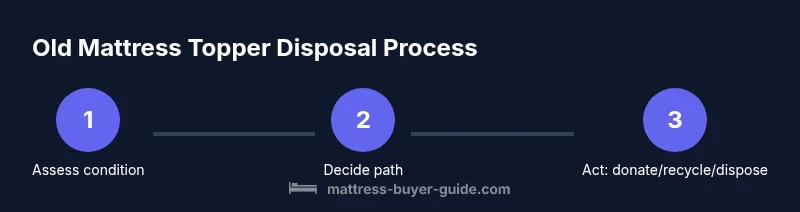
If reusable and donation-worthy, plan to deliver or schedule a pickup with the charity. If recycling is available, follow instructions to prepare materials. If neither option works, prepare for bulk waste disposal.
Tip: Call ahead to confirm acceptance and any preparation requirements. - 7
Prepare for donation or recycling
Provide a clean, dry topper with any required documentation. Detach removable covers, label the item if needed, and neatly package for transport.
Tip: Donors often appreciate a brief note about material type and condition. - 8
Coordinate pickup or drop-off
Schedule a pickup time or locate the correct drop-off site. Bring necessary identification and any proof of eligibility for a charitable program if required.
Tip: Avoid last-minute scheduling gaps; plan around your calendar to reduce stress. - 9
Consider repurposing first
If the topper is still usable but not ideal for sleeping, explore repurposing ideas such as padding for pet beds or cushioning for objects. Ensure safety and cleanliness for any new use.
Tip: Repurposing can reduce waste and stretch your budget. - 10
Replace thoughtfully
When you choose a new topper, ensure the size matches your mattress, and pick a material that aligns with your sleep needs. Keep tips for care in mind to maximize longevity.
Tip: Invest in a quality cover to protect the new topper and extend its life.
FAQ
Can I donate a stained mattress topper?
Most donation programs require items to be clean and odor-free. Stains can disqualify a topper for donation. Consider cleaning or recycling alternatives first.
Most donors require cleanliness; stains may prevent donation, so explore cleaning or other options first.
Is it better to recycle toppers or donate them?
If the topper is clean and in good condition, donation can help someone else. If it’s worn or damaged, recycling or proper disposal reduces landfill impact.
Donate if usable; recycle or dispose if not in good shape.
How do I know if my topper is recyclable?
Recyclability depends on material and local facilities. Foam, latex, and fiberfill may be accepted by specific programs; contact local recyclers for guidance.
Call your local recycler to confirm what materials they accept.
What’s the safest disposal method?
Follow your municipality’s bulk waste guidelines or schedule a pickup to ensure proper handling and minimize environmental impact.
Follow local bulk-waste rules or schedule a pickup.
Can I repurpose a topper for a DIY project?
Yes. Clean toppers can be repurposed into pet beds, gym mats, or cushioning for storage projects. Ensure safety and cleanliness for the new use.
You can repurpose it into functional items if it's clean and safe.
Should I wait for a holiday to dispose?
No special timing is required; coordinate with local pickup schedules to avoid delays. Plan ahead to simplify the process.
Plan around local pickup schedules; there’s no need to wait for holidays.
Watch Video
Highlights
- Evaluate condition before deciding path
- Donate only if clean and dry
- Recycle when possible to reduce waste
- Repurpose to extend usefulness
- Dry thoroughly to prevent mold