When to Switch Your Mattress: A Practical Replacement Guide
Learn how to tell when your mattress needs replacing, with practical signs, material guidelines, and a step-by-step plan for choosing a new mattress that fits your sleep needs.


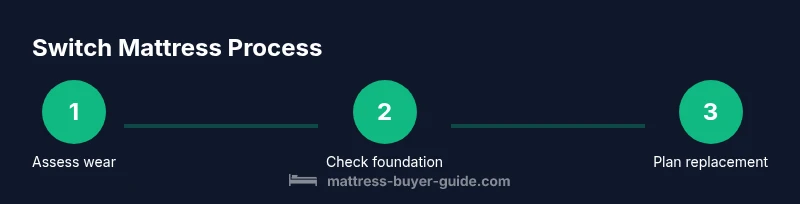
Switch your mattress when wear or pain compromises comfort and support. Look for sagging or deep indentations, persistent aches after sleep, and reduced sleep quality. For most materials, plan a replacement after long-term use and when ownership benefits from a newer model, while leveraging warranties and trial periods.
Signs it's time to switch your mattress
According to Mattress Buyer Guide, deciding when to switch is a data-informed process that blends physical wear with how you feel during sleep. Start by inspecting the surface for sagging, indentations that don’t rebound after you press, and visible wear around the edges. If you wake with stiffness, back or hip pain, or notice increased tossing and turning, those are strong signals your sleep support may have degraded. Also note if the mattress emits unfamiliar odors, or if a shift in sleep due to partner movement makes rest harder. Finally, consider the age and frequency of use, but do not rely on age alone—performance matters more than a calendar. This approach helps homeowners and renters alike decide when it’s time to switch with confidence.
Signs it’s time to switch your mattress: quick checklist
- Sagging or indentations that remain after movement
- Increased waking, tossing, or partner disruptions
- New or worsening pain in the back, neck, hips, or shoulders
- Fabric wear, crumbling edges, unfamiliar odors
- Changes in sleep quality that don’t improve with pillow or position changes
- A foundation that isn’t level or supportive
These signals are commonly flagged in Mattress Buyer Guide analyses as the core indicators of a mattress needing replacement. The aim is to identify the point where comfort and spinal alignment begin to suffer rather than waiting until the issue becomes chronic.
Tools & Materials
- Sleep diary or app(Record nightly comfort, pain, wakeups, and repositioning for a few weeks.)
- Printed or digital evaluation checklist(Guide the assessment process and keep observations organized.)
- Notebook and pen or note-taking app(Document observations, pain levels, and position changes.)
- Warranty and return policy documents(Have terms handy to understand replacement options.)
- Level surface or test setup(Ensure the foundation is not contributing to wear impressions.)
Steps
Estimated time: a few weeks
- 1
Gather baseline data
Set up a sleep diary and begin recording nightly comfort, pain, and wakeups for a few weeks. Consistency matters for reliable signals.
Tip: Log notes in the same time window each day to reduce memory bias. - 2
Inspect the mattress visually and physically
Check for sagging, deep indentations, fabric wear, and edge collapse. Press the surface in multiple spots and note rebound speed.
Tip: Use a flashlight to highlight hidden wear around seams and corners. - 3
Assess comfort across sleep positions
Lie in your typical positions and observe whether support feels adequate or if pressure points persist. Pay attention to waking pain or stiffness.
Tip: If pain changes with position, investigate alignment and support rather than assuming wear alone. - 4
Rule out the foundation or frame
Examine whether the bed frame is level and the foundation is solid. A compromised base can mimic mattress wear.
Tip: Test the mattress on a different flat surface if possible to isolate the issue. - 5
Check warranty and trial terms
Review the manufacturer warranty and any sleep trial. Note coverage for comfort or structural issues and the required care steps.
Tip: Document the date of purchase and keep receipts in a safe place. - 6
Compare findings to material guidelines
Match detected wear and symptoms to typical patterns for memory foam, latex, and innerspring. Avoid relying on exact ages or statistics.
Tip: Remember: different materials wear differently; tailor expectations accordingly. - 7
Plan replacement logistics
If wear or symptoms persist after evaluation, prepare a replacement plan including preferred models, budget, and delivery logistics.
Tip: Consider a trial period and a retailer with a hassle-free return policy.
FAQ
How do I know when it's time to switch my mattress?
Look for sagging, deep impressions, persistent pain, or disrupted sleep that does not improve with changes in pillows or position. If issues persist after a trial and within warranty, replacement is reasonable.
Look for wear, ongoing pain, or disrupted sleep that doesn’t improve with adjustments; consider replacement if issues persist within warranty terms.
Can a bad foundation cause me to think the mattress is worn?
Yes. A bent frame or worn foundation can create impressions that mimic mattress wear. Check the frame and test the mattress on a flat surface to separate issues.
A weak foundation can mimic mattress wear, so inspect the frame before replacing.
What should I consider before buying a replacement?
Consider your sleeping style, body weight distribution, material preferences, and the availability of trial periods or warranties. Compare comfort, support, and overall value.
Think about how you sleep, what feels comfortable, and whether trials or warranties are offered before buying.
Do you need to replace a mattress even if you sleep okay?
If sleep quality remains poor or you wake with stiffness or pain consistently, replacement is worth considering despite apparently adequate sleep. Prioritize long-term comfort and alignment.
Even if you sleep, ongoing pain or stiffness is a sign to consider a replacement.
How should I interpret mattress lifespans?
Lifespans vary by material and use. Look for declines in comfort and support rather than relying on age alone.
Wear and comfort matter more than the calendar date.
Are warranties a good guide for replacement?
Warranties can guide replacement timing, especially for coverage of comfort or structural issues. Review the terms and required care steps.
Warranties help you decide when replacement is reasonable, but read the terms.
What if I’m shopping on a tight budget?
Prioritize comfort with an affordable option and take advantage of trial periods. Look for sales or compatible returns to reduce risk.
If money is tight, start with a comfortable, affordable option and use trial periods.
How can I test a potential mattress before buying?
Choose retailers that offer long trials or home trials to evaluate comfort and support across several nights.
If possible, test the mattress with a full-night trial and give it time to adapt.
Watch Video
Highlights
- Track wear and sleep quality to guide timing.
- Rule out the bed foundation before replacing.
- Leverage warranties and trials to inform decisions.
- Material type affects wear patterns—plan accordingly.