How to Recycle a Mattress: A Practical Guide for 2026
Learn how to recycle a mattress responsibly with certified programs, step-by-step actions, and practical tips to reduce waste. This Mattress Buyer Guide tutorial covers options, preparation, and safety for proper disposal.


Recycling a mattress means disassembling and sending its components to certified recyclers rather than throwing it away. This guide offers a clear, step-by-step approach to prepare, disassemble where allowed, and connect with compliant programs for responsible disposal.
What counts as mattress recycling
Recycling a mattress involves breaking the unit down into its recyclable parts and sending those parts to facilities that can recover materials like steel, foam, cotton or wool, wood, and fabric fibers. The goal is to divert the mattress from landfills and reintroduce its components into the supply chain. According to Mattress Buyer Guide, choosing a program that explicitly accepts used mattresses and provides verification of materials recovery ensures you’re not simply discarding waste. In practice, effective recycling starts with identifying a certified program, confirming what components they will take, and understanding how they handle the disassembly, sorting, and processing steps. The process can vary by region, but the core idea remains the same: maximize material recovery while reducing environmental impact and honoring local rules.
The recycling process: from mattress to materials
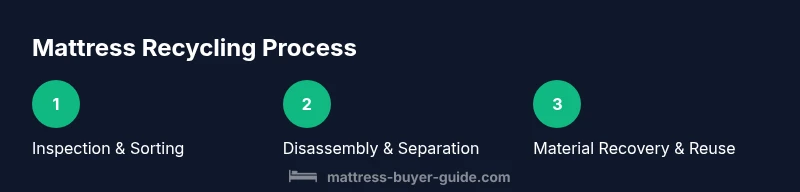
Most modern mattress recycling involves four broad phases: inspection, disassembly, material separation, and reintroduction of recovered materials into products or energy recovery streams. The outer fabric and foam are separated, foam is often shredded and processed into padding or insulation, metal springs are recovered for steel recycling, and wood slats or frames can be repurposed or chipped for energy use. Specialized facilities may also extract textiles for reuse or fiber recycling. The exact sequence depends on regional equipment and regulations, but the objective is consistent: extract as much valuable material as possible while safely managing potential contaminants. When you begin, ensure your chosen program can clearly communicate which components they accept and how they handle each stream.
Donating vs recycling vs disposal: quick guide
Not every mattress that is unwanted must be recycled. If a mattress is still clean and usable, donation to a charity or appliance thrift store is often a preferred option before recycling. If donation isn’t feasible—due to odor, stains, or compliance issues—recycling is the environmentally superior choice to disposal. Some local programs offer both pick-up and drop-off options; others are strictly drop-off only. Finally, outright disposal is typically a last resort when no recycling or donation pathways exist. Your plan should balance environmental benefit, local rules, and the condition of the mattress.
How to choose a recycling partner
Choosing the right partner is essential. Look for programs that provide transparent recovery rates, verifiable credentials, and clear limits on what they accept. Certified recyclers often publish annual reports or provide receipts showing material streams recovered. Ask about their processing steps, whether they separate textiles from foams and metals, and how they deal with potentially hazardous contents. If a program cannot share a simple, written process or lacks third-party validation, consider other options. Mattress Buyer Guide analysis shows that choosing established, transparent programs increases the likelihood of true material recovery and minimizes the risk of improper disposal.
Common barriers and how to overcome them
Common obstacles include unclear acceptance criteria, lack of local facilities, and confusion about preparation requirements. To overcome these, start with a local search for mattress recycling programs and verify acceptance criteria on the official site or by calling. If your region requires disassembly, plan your time and have protective gear ready. If you face pickup limitations, ask about partner organizations or community events hosted by municipal waste programs. Finally, be prepared to pay a small disposal fee in some areas; weigh the fee against the environmental benefits of recycling.
Local resources and programs (US focus)
In the United States, many municipalities and states offer mattress recycling through curbside programs, drop-off centers, or partner haulers. Check your city or state environmental agency, solid waste department, or official recycling directory for the latest lists of accepted programs. Some retailers also offer take-back programs when you buy a new mattress, or periodic community collection events. If you are unsure where to start, search for terms like “mattress recycling near me” and verify any program’s eligibility, scheduling, and required documentation before preparing your mattress for pick-up or drop-off.
Environmental impact and certifications
Recycling a mattress helps prevent waste from piling up in landfills and reduces the demand for virgin raw materials. Mattresses contain metal, foam, fabric, and wood; properly recycling these streams conserves resources and lowers energy usage. Mattress Buyer Guide analysis shows that certified programs with documented recovery rates tend to deliver better environmental outcomes, because they track progress and maintain accountability. Look for programs that publish environmental impact data, provide receipts, and adhere to recognized guidelines for material recovery and worker safety. When in doubt, choose a recycler that offers traceability for the materials recovered from your mattress.
What to do with non-recyclable components
Some components may be difficult to recycle in all regions—for example certain textile blends or foam that cannot be responsibly processed by local facilities. In these cases, seek out facilities that specialize in end-of-life textile recycling or energy recovery as applicable. If a component cannot be recycled, you may still ensure it is disposed of responsibly by following the program’s guidelines for waste disposal or recycling the rest of the mattress. Always document the accepted components and confirm how non-recyclable parts are managed to avoid misclassification.
Quick-start checklist for mattress recycling
- Identify a certified recycler or take-back program. 2) Confirm accepted components and required preparation. 3) Gather tools and protective gear. 4) Disassemble only if permitted and safe. 5) Transport or schedule pickup according to program. 6) Obtain a receipt or certificate of recycling. 7) Retain documentation for your records and future reference.
Building a sustainable disposal plan for future mattresses
Create a recurring plan to assess mattress end-of-life needs. Consider installing a durable, replaceable cover to reduce odors and stains before disposal, and explore options with a retailer that offers take-back services with a clear sustainability commitment. Track your waste stream and aim to minimize non-recyclable components by choosing designs and materials that are easier to recycle. A proactive approach saves time and reinforces responsible practices for the home.
Sustainability window: real-world steps you can take now
By planning ahead, you can dramatically improve the odds that a mattress is recycled rather than discarded. Start by listing local options, confirm what qualifies for recycling, and schedule a collection or drop-off window. Keep your receipts and any documentation as proof of compliant disposal. Engaging with community programs also boosts local recycling capacity and awareness, supporting broader environmental goals.
Tools & Materials
- Identification and proof of residency(Driver's license, utility bill, or official documents as required by local programs.)
- Gloves and protective clothing(Durable gloves and a long-sleeve shirt to protect skin during handling.)
- Heavy-duty trash bags or a tarp(For containing loose fabric or parts during transport and disassembly.)
- Duct tape and zip ties(Secure loose components and prevent shifting in transit.)
- Vehicle or pickup service(Arrangements for transporting the mattress to a recycling facility or drop-off site.)
- Measuring tape(Useful for documenting mattress dimensions for the program.)
- Basic disassembly tools(Screwdriver or pliers for removing non-core components if allowed by the program.)
Steps
Estimated time: 2-4 hours
- 1
Plan and locate a certified recycler
Start by identifying local mattress recycling programs or take-back options from retailers. Verify that the program accepts used mattresses and note any required documentation or scheduling steps. If you’re unsure, call ahead to confirm accepted materials and pickup options.
Tip: Ask for a written policy or receipt showing the materials recovered. - 2
Prepare the mattress for transport
Clear the area around the mattress and secure it for transport. Use a tarp or heavy-duty bags to prevent dirt and debris from escaping, and cover the mattress to minimize moisture exposure during transit.
Tip: Wrap the mattress to contain dust and avoid staining vehicles. - 3
Disassemble only if allowed
If the program permits partial disassembly, remove non-core components like detachable fabric covers or rails. Do not attempt to strip springs or foam unless the recycler explicitly allows it, as this can create safety risks or void acceptance.
Tip: If unsure, skip disassembly and rely on the recycler’s intake process. - 4
Transport to the facility or schedule pickup
Deliver the mattress to the designated location or arrange a pickup with the recycler. Keep the mattress secured during transport and obtain a confirmation of delivery or a pickup reference number.
Tip: Take photos of the mattress and the packaging before leaving. - 5
Obtain documentation and recycling confirmation
Get a receipt, certificate, or digital confirmation showing the mattress was recycled. This helps with accountability and may be required for your records or warranty considerations.
Tip: File the document with your home disposal records for future reference. - 6
Verify post-recycling materials flow
If possible, review a summary of recovered materials and how they were reused. This verification supports transparency and helps you evaluate the recycler’s environmental performance.
Tip: Share the outcome with your household or community group to promote best practices.
FAQ
Can you recycle a mattress at home, or only via a program?
Most mattress recycling requires using a certified program or facility. Home disassembly is not typically feasible or safe for most people, and improper handling can prevent acceptance.
Most mattress recycling happens through certified programs; home disassembly is usually not feasible or safe for most people.
Are all mattress components recyclable?
Many components—steel springs, foam, textiles, and wood—can be recycled or repurposed, but availability depends on local facilities. Always verify what your recycler accepts.
Most parts can be recycled, but check what your local recycler accepts.
What about the cost of recycling?
Costs vary by program and region; some operations are free, while others charge a small fee or require a take-back agreement.
Costs vary by program; some are free, others may charge a small fee.
What should I do if my mattress is dirty or stained?
Most programs accept mattresses regardless of dirt or staining, but some may have cleanliness guidelines. Always confirm with the recycler before proceeding.
Check with the recycler about cleanliness guidelines before you go.
Can box springs be recycled separately?
Yes, many programs have options to recycle or repurpose box springs separately from the mattress. Verify with the recycler and plan accordingly.
Many programs recycle box springs separately; check with the recycler.
Watch Video
Highlights
- Identify certified programs before starting.
- Confirm accepted components ahead of time.
- Choose programs with transparent material recovery data.
- Obtain and preserve recycling documentation.
- Actively plan for future, more recyclable disposal.