How to Get Out of Bed When Tired: Practical Steps for Better Mornings
Learn a simple, repeatable wake-up routine to get out of bed when tired. Quick-start steps, room setup tips, and a video-guided infographic to make mornings easier.


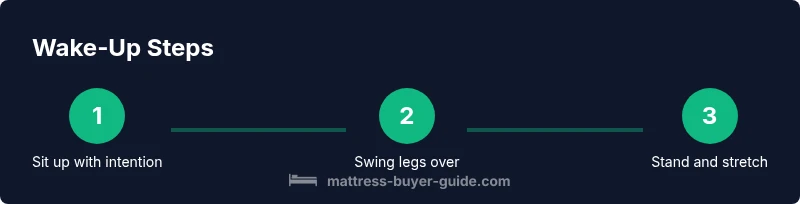
To get out of bed when tired, follow a short, starter routine: sit up, swing your legs over the side, plant your feet, stand with hips forward, take a slow, deep breath, and stretch gently. Set a simple cue word to trigger action, and begin with a 1–2 minute movement sequence to wake your body.
Why waking up when tired is hard (and how tiny rituals help)
If you're wondering how to get out bed when tired, the answer lies in a tiny, repeatable ritual rather than a heroic effort. Sleep inertia—the grogginess that follows a wake-up—can linger for minutes or longer, slowing your ability to think clearly and act quickly. According to Mattress Buyer Guide, pairing a clear cue with a short, practiced movement sequence helps your brain exit inertia more smoothly and creates a reliable routine you can repeat every morning. The Mattress Buyer Guide team found that when people commit to a consistent wake-up cue—like saying a single word or performing a brief action—alongside light physical movement, they transition toward alertness faster and with less resistance. The goal is not to overwhelm yourself with tasks, but to choose a tiny set of steps your body can anticipate. Over weeks, those small actions compound into a smoother, more confident departure from the warmth of the sheets.
The 1–2 minute wake-up routine you can start today
Starting your day with a deliberate micro-routine is more powerful than dragging yourself through long, exhausting tasks. Begin by sitting up with intent, then swing your legs over the edge and plant your feet on the floor. Use a cue word, or a brief phrase, to trigger movement—something like “rise” or “start.” Stand up tall, with your hips forward and shoulders relaxed, and take three slow breaths to re-oxygenate and reduce dizziness. Add two or three light movements (arm circles, neck tilts, ankle circles) to wake different muscle groups. Finish with a glass of water and a quick step toward the next activity. Consistency matters: practice daily, even on days you feel tired, to condition both body and mind. If mornings are chilly, keep a robe nearby to ease transition and maintain momentum. A soft, ambient light near the bed can simulate sunrise and reduce resistance to leaving the mattress.
Setting up your bedroom for easier wake-up
A supportive wake-up environment reduces friction and makes getting out of bed less daunting. Prioritize natural light when possible, or use a warm, dim lamp to signal the brain that morning has begun. A comfortable yet not-too-warm room helps you avoid a fight against temperature, which can intensify grogginess. Ensure the path from bed to door is clear so you can stand and move without stubbing toes or stepping on clutter. Keep a water bottle within reach and place a glass of water by the door to greet you as you step into consciousness. The bedding should feel inviting but not so heavy that you crave more sleep—choose breathable fabrics and a bed that supports easy exit.
Build consistency with a simple bedtime cue system
Mornings are easier when the night before is predictable. Create a simple bedtime routine that signals your brain to wind down and prepares you for a smoother wake-up. This might include turning off screens an hour before bed, dimming the lights, and performing a brief stretch or breathing exercise in bed. A dependable cue—such as laying out your clothes the night before or setting a soft alarm with a recognizable label—helps your mind anticipate the transition from sleep to wakefulness. Mattress Buyer Guide analysis shows that alignment between bedtime routines and morning rituals strengthens habit formation, making each dawn a little less taxing.
Modifications for different mornings: weekends, shifts, kids
Not every morning is the same, and your wake-up strategy should adapt. On weekends or after night shifts, allow for a slightly longer, gentler routine, then gradually reintroduce the rapid sequence as sleep pressure normalizes. If you have children or housemates, negotiate a shared cue that signals everyone to begin their routines, reducing the sensory load at the door of your bedroom. For those with different energy levels day to day, keep the routine flexible: the key ingredient is the moment you start, not the exact sequence you follow. The aim is to move, breathe, and hydrate quickly, then step into your day with intention.
Quick stretches and breath work to increase alertness
Once you’re on your feet, a few simple stretches can help jumpstart circulation and wake the nervous system. Try 3 rounds of controlled diaphragmatic breathing—inhale through the nose for four counts, exhale for six. Add light movements: shoulder rolls, gentle side bends, and ankle circles. These actions don’t exhaust you; they nudge your body from rest toward activity. If dizziness returns, pause and re-center with a couple of slow breaths before continuing. Over time, these stretches become a natural part of your wake-up, reducing the mental resistance to starting the day.
Tools and aids that may help (not required)
Some people benefit from small aids at the bedside. A gentle alarm with a pleasant tone, a robe, a water bottle, and a simple stretching mat can be helpful, but none are essential. The core practice remains the brief, purposeful sequence. If you prefer, keep a light, breathable blanket that you can throw off without using energy. Remember, the best tool is consistency: practice the same wake-up steps every day until they feel automatic. A simple checklist near your bed can remind you of the exact actions and reduce decision fatigue in the moment.
Putting it into practice today: a quick starter plan
Begin with a one-week trial of the 1–2 minute wake-up routine, then adjust based on what feels easiest and most effective. If a particular cue doesn’t resonate, substitute a kinder trigger and keep the routine intact. Track how you feel after each morning—note grogginess duration, mood, and energy. This self-observation helps you tailor the routine to your physiology. As you gain confidence, extend the routine by a minute or two only if you feel ready; the goal is steady progress, not perfection.
Tools & Materials
- Alarm clock or smartphone alarm(Choose a gentle wake setting if possible)
- Light source (lamp or access to natural light)(Ensure you have a visible cue to brighten your morning)
- Water bottle or glass of water(Hydration helps alertness)
- Non-slip slippers or warm robe(Useful for cold floors but not essential)
- Gentle stretching mat or soft towel(Optional for morning mobility routines)
Steps
Estimated time: 15-20 minutes
- 1
Prepare your wake-up cue
As soon as you become awake, verbalize or internalize a simple cue that tells your body to begin. This could be a word like 'rise' or a vision of stepping into daylight. The cue should be immediate and require almost no decision after waking.
Tip: Choose a cue that you can repeat without thinking; consistency is key. - 2
Sit up with intent
Swing your legs over the side of the bed and sit upright. Ground your feet evenly on the floor and align your spine, avoiding a slouched posture that can prolong grogginess.
Tip: Keep your feet flat and distribute weight toward the balls of your feet to reduce dizziness. - 3
Stand tall and align posture
Fully plant your feet, hinge at the hips, and stand up tall with shoulders back. Look forward rather than down to reduce the sensation of fatigue and maintain balance.
Tip: Engage your core slightly to stabilize your torso during the transition. - 4
Take deliberate breaths
Inhale deeply through your nose for a count of four, then exhale slowly for six. Repeat 3 times to improve oxygen delivery and reduce wake-up inertia.
Tip: If you feel lightheaded, pause and resume breathing at a gentler pace. - 5
Do a mini-mobility sequence
Perform 2–3 light moves such as arm circles, neck tilts, and ankle circles to wake multiple muscle groups and signal your nervous system.
Tip: Move gradually; avoid sudden jerks that could cause discomfort. - 6
Hydrate and transition
Take a quick sip of water, then walk toward your routine space (bathroom, coffee, or shower) to complete the transition from sleep to activity.
Tip: Hydration helps memory and mood in the early hours. - 7
Adjust and adapt
If fatigue persists, shorten or modify steps, but keep the core sequence intact. The goal is momentum, not perfection.
Tip: Keep a small signaling checklist nearby to remind you of the sequence. - 8
Log the wake-up moment
Record how you felt after completing the routine and how long grogginess lasted. Use this data to refine the process over time.
Tip: A simple note on your phone or a notebook works well.
FAQ
What should I do first when I wake up to get out of bed more easily?
Start with a definite cue and a tiny routine. Sit up, swing your legs over, plant your feet, and stand tall with a few deep breaths. This minimizes grogginess and sets a confident tone for the day.
Use a clear cue and a short routine right after waking, then stand up with purpose.
Is it better to stand up immediately or sit on the edge first?
Sitting on the edge to orient yourself before standing helps prevent dizziness and reduces the risk of missteps. From there, stand with good posture and proceed with light movements.
Start by sitting up, then stand with control.
How long does it take to form this habit?
Habit formation varies by person, but consistent practice over a couple of weeks typically yields noticeable improvements in ease of getting out of bed.
Give your routine a few weeks to feel automatic.
What if I have sleepiness due to a medical condition?
If sleepiness persists or you have underlying conditions, consult a clinician. The wake-up routine can support sleep quality, but it should not replace medical advice.
Talk to a doctor if persistent sleepiness occurs.
Can this help with grogginess caused by sleep debt?
A wake-up routine helps, but consistent, sufficient sleep is essential. Relying on routines to compensate for poor sleep is not a substitute for better sleep habits.
Routines help, but good sleep matters most.
Watch Video
Highlights
- Establish a tiny, repeatable wake-up routine.
- Pair a cue with light movement to beat sleep inertia.
- Optimize your bedroom environment for easier mornings.
- Be flexible and adapt steps to your needs.
- Track how you feel and refine the routine over time.