Understanding How Mattress Trials Work: A Practical Guide
Learn how mattress trials work, what to expect, and how to maximize comfort with risk-free testing. This guide covers duration norms, return steps, and tips to avoid common pitfalls during the trial.


A mattress trial lets you test a new mattress at home for a defined period, with free returns if you’re not satisfied. Start by checking the trial length, who covers shipping, and any usage restrictions. Compare terms across brands to choose a risk-free option that fits your sleep needs and budget.
What a mattress trial is and why it matters
According to Mattress Buyer Guide, a well-structured mattress trial lets you evaluate comfort, support, and durability in your actual sleep environment. It gives you time to assess how the mattress performs with your sleep position, partner, and room conditions without committing immediately to a full purchase. The trial is designed to reduce buyer’s remorse by letting you compare feel, temperature regulation, and edge support across your normal nights. In practice, you’ll sleep on the mattress for a minimum period, use it as your primary bed, and then decide whether to keep it, exchange it, or return it. Always verify that the trial is genuinely risk-free, includes straightforward returns, and doesn’t impose hidden usage restrictions that could invalidate the guarantee. A thoughtful trial supports better long-term sleep health and a more informed purchase.
This stage matters because sleep quality is influenced by mattress feel, firmness, and motion transfer. If you share a bed, evaluate how well it minimizes partner disturbance. If you have specific needs—back pain, allergies, or temperature sensitivity—test those aspects during the trial. Mattress Buyer Guide emphasizes reading the terms so you know exactly what counts as normal use and what could void the trial. By approaching the process methodically, you’ll increase the odds of finding a mattress that truly supports your sleep goals.
How trial durations vary across brands and why that matters
Trial durations vary widely, from a few weeks to several months, and sometimes even longer for premium models. The key is to understand the minimum duration to truly assess comfort and support, and the maximum flexibility if you’re not satisfied. Some brands offer extended trial periods to accommodate seasonal changes in sleep habits, while others set strict deadlines for returns due to logistics or hygiene policies. The party line from many retailers is that longer trials reduce return friction, but you should still confirm what happens if you move during the trial period or if your humidity and temperature needs shift. When evaluating options, compare not just the length of the trial but also the ease of initiating a return, whether shipping is free, and whether there are any restocking or disposal fees. Mattress Buyer Guide’s research shows that transparent terms and simple return steps correlate with higher satisfaction and lower post-purchase regret.
What the trial includes and common exclusions you should know
A mattress trial typically includes home delivery, setup, and the option to return the mattress within the agreed window if you’re unhappy. Most trials cover normal testing, which means you should be able to sleep on the bed in your usual environment without deception or manipulation. Common exclusions include damage outside normal use, stains, odors, or missing original packaging, and limitations on extended testing in non-standard bed frames. Some programs require you to keep a specific foundation or bed frame, while others allow you to swap components (e.g., firmness levels) during the trial. Always verify whether shipping and returns are fully covered and whether any restocking fees apply. Mattress Buyer Guide analysis shows that clear, consumer-friendly terms correlate with smoother trial experiences and better post-trial outcomes.
How to compare trial terms across brands without getting overwhelmed
To compare terms effectively, focus on a few core dimensions: trial length, cost of returns, who bears shipping charges, and any limitations on usage (such as wear, stains, or bedding). Create a simple side-by-side checklist and fill in the numbers as you review each offer. Pay attention to whether you can exchange for a different firmness or model within the same trial, and whether there are restrictions for upgrading or downgrading during the period. Look for flexible policies that accommodate changes in sleep position, temperature control needs, and bed partner variability. It’s also worth noting any ancillary benefits, like free mattress protectors or discounts on disposal, which can affect overall value. A careful comparison helps you maximize the likelihood of finding a mattress that truly matches your sleep preferences.
Step-by-step: starting a trial and evaluating sleep quality
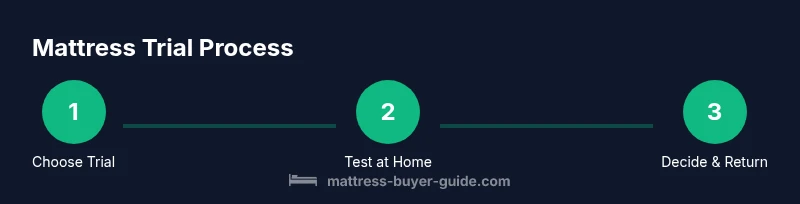
This section provides a practical framework to enroll, test, and evaluate a mattress during the trial period. Start by reading the terms and recording baseline sleep quality before the mattress arrives. Once it’s delivered, follow the setup instructions precisely and dedicate the first week to acclimate and observe initial comfort changes. Over the next several weeks, track key indicators such as pain relief, sleep onset, wakefulness, temperature comfort, and overall mood. Use a simple scoring system or journaling app to capture each night’s notes. At the end of the trial, compare your current night’s sleep against your baseline and any previous mattresses you’ve used. If the mattress meets your criteria, proceed with the purchase; if not, prepare to initiate a return or discuss an exchange option with customer service. Keep records of all communications and be mindful of any required timelines to avoid losing the trial benefits.
Pro tips for a smooth trial experience
- Create a sleep journal template to capture firmness, support, temperature, and overall satisfaction each night.
- Schedule a consistent sleep routine to minimize external variability when evaluating the mattress.
- Check if the trial allows a firmness exchange or model swap without penalties.
- Document any issues early and contact customer service before the deadline if you foresee a problem.
Common pitfalls and how to avoid them
Avoid assuming that a mattress will feel the same over time as it did on the first night; many mattresses require a break-in period. Don’t ignore small discomforts that persist after the initial adjustment phase. Don’t neglect the fine print about wear limits, packaging, and return logistics. If you share a bed, don’t overlook your partner’s sleep experience; a mattress that works for one sleeper may not suit both. Finally, avoid abandoning the trial card before the endDate as you may miss a favorable return window.
Return logistics and what happens after the trial
Understanding the return process is essential. Most brands provide a prepaid return label or arrange pickup, and refunds are typically issued to the original payment method after pickup or receipt. Some offer exchanges within the same trial window if you decide you want a different firmness or model. Be sure to repack the mattress in its original packaging if required and follow the carrier’s guidelines for transport. If you decide to keep the mattress, you’ll complete the purchase after the trial ends and there should be no further action required. Keeping a record of all communications can help smooth the final steps.
Tools & Materials
- Retailer account or signup(Used to enroll in the mattress trial and track status)
- Sleep tracking journal(Record nightly comfort, pressure points, temperature, and mood)
- Pen or digital note tool(Optional for jotting quick reminders and observations)
- Delivery inspection checklist(Use for initial condition check and packaging receipts)
Steps
Estimated time: 4-12 weeks
- 1
Check trial terms and eligibility
Review duration, eligibility, and any restrictions before signing up. Note deadlines for returns and any required conditions such as keeping packaging intact. If anything is unclear, contact customer support for clarification.
Tip: Copy or screenshot the key terms and keep them handy during setup. - 2
Sign up for the trial
Create your retailer account, input delivery details, and accept the trial terms. Ensure you understand who covers shipping and how returns are processed. Save a copy of the confirmation.
Tip: Take a screenshot of the confirmation page and rule of the road for returns. - 3
Set up your sleep environment
Place the new mattress on your current foundation or bed frame as instructed. Ensure the surface is clean and free of odors. Establish a consistent sleep routine to evaluate the mattress under normal conditions.
Tip: Keep your old pillow, sheets, and routine consistent to isolate the mattress effect. - 4
Track your sleep quality daily
Record nightly comfort, support, temperature, and any pain or relief. Use a simple scale (1-10) and brief notes on what changed over time. Review at weekly intervals to identify trends.
Tip: Be honest—accurate notes over several weeks yield the best judgment. - 5
Evaluate at the end of the trial
Compare your end-of-trial sleep with your baseline and with prior mattresses. Decide if the mattress meets your needs for support, comfort, and temperature control. If not, prepare for a return or exchange.
Tip: Give yourself the full trial window to avoid premature conclusions. - 6
Initiate return or exchange if needed
Follow the retailer’s return process, arrange pickup or drop-off, and preserve all original packaging if required. Confirm refund timing and method once the mattress has been returned.
Tip: Keep all communications and receipts until the process is complete.
FAQ
How long do mattress trials last?
Trial lengths vary by brand but typically span several weeks to months. Always verify the exact duration and any restrictions before enrolling.
Most trials run for weeks to months; check the exact duration and any limits when you sign up.
Who pays for shipping and returns during a mattress trial?
Policies differ by retailer. Many offer free shipping and returns, but some require the customer to cover costs or restocking fees—read the terms carefully.
Shipping and returns vary by retailer; check the terms to know who pays.
Can I use a mattress trial if I bought in-store?
In-store purchases may have separate or no at-home trial terms. Always confirm whether the specific product line qualifies for a home trial.
In-store purchases often have different trial terms; ask before assuming.
What counts as acceptable wear during a trial?
Normal use during the trial is allowed, but excessive wear, stains, or damage can void the trial. Follow the retailer’s guidelines carefully.
Normal use is allowed, but avoid damage or stains that could void the trial.
What should I do if I want to return after the trial ends?
If you’re unhappy, contact customer service before the deadline, follow the stated return steps, and arrange pickup or drop-off. Refunds usually follow retailer policies.
If you want to return after the trial, act before the deadline and follow the return steps.
Are mattress trials the same as sleep trials?
The terms are often used interchangeably, but some programs distinguish with added guidance or support services. Always read the exact terms of the offer.
They’re similar, but always read the exact terms for the specific offer.
Watch Video
Highlights
- Know the exact trial duration before enrolling
- Track sleep quality consistently throughout the trial
- Review shipping, returns, and potential fees up front
- Use the trial to compare comfort, support, and temperature