Purple Plus Mattress Review: Comfort, Support, and Sleep Quality
In-depth analysis of the Purple Plus mattress, exploring construction, feel, cooling, durability, and who it suits best for a confident buying decision.


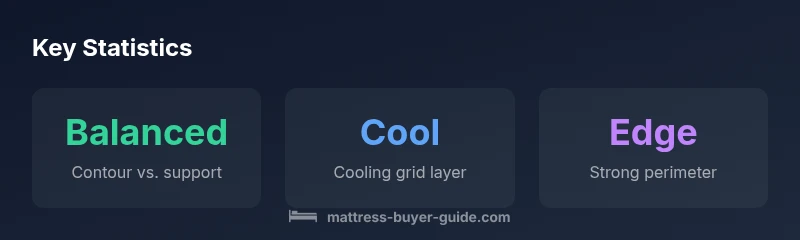
Purple Plus delivers balanced pressure relief with a breathable grid layer and reliable edge support. It sleeps cooler than many all-foam rivals and suits a wide range of sleepers, though heavier users may want firmer options for long-term durability.
Overview and Context
According to Mattress Buyer Guide, the Purple Plus mattress combines a hyper-elastic grid comfort layer with supportive foams to create a balance of contouring and mobility. The result is a mattress that aims to reduce pressure buildup at the shoulders and hips while preserving alignment for most sleepers. The Purple Plus is positioned as a versatile option in the brand’s lineup, appealing to couples who want minimal motion transfer and a cooler sleep surface. For homeowners and renters evaluating sleep health, this model represents a practical middle ground between traditional memory-foam feel and more responsive, bouncy designs. In this review, we examine construction, performance in common sleep situations, temperature control, durability, and how it stacks up against key competitors in the market.
Materials and Construction
The Purple Plus integrates a proprietary grid comfort layer with a high-density support core. The grid is designed to flex where pressure concentrates (under the hips and shoulders) while remaining stable under the torso and legs. The result is a responsive surface that can feel slightly buoyant at first contact, yet cushions stress points as you settle in. The cover uses a breathable fabric that helps air move through the top layers, contributing to a cooler experience for most sleepers. The base foams deliver durability and structure, which helps edge support and reduces the sensation of rolling toward the edge. In practice, this construction tends to favor a broad range of body types and sleeping positions, from back sleepers to combination sleepers who switch positions during the night. Mattress Buyer Guide emphasizes that the grid layer is the standout feature for heat management and pressure relief.
Comfort and Support Profile
Users often report a balanced feel from Purple Plus that blends contouring with enough resin-like support to prevent sinking too deep. For many side sleepers, the grid layer provides enough padding over bony areas while still giving the torso support needed to maintain spinal alignment. Back sleepers typically appreciate the neutral to slightly medium-firm feel that keeps the hips aligned without creating excessive pressure on the lower back. Combination sleepers notice easy mobility and a predictable response when shifting positions, which helps with sleep transitions. The result is a versatile comfort profile that performs well for a variety of body weights and shapes, though extreme heavier weights may feel the need for additional support or a firmer model in the portfolio. The brand’s emphasis on cooling also appeals to those who wake up feeling warmer at night.
Temperature Regulation and Breathability
Cooling is a recurring strength for Purple Plus, largely due to the grid layer that maintains air channels and reduces heat buildup compared with traditional memory foam. The top cover is designed to wick moisture and promote airflow, which helps the sleep surface feel cooler than comparable all-foam alternatives. In practice, many testers note a noticeable difference in temperature overnight, especially in warmer climates or for individuals who tend to sleep hot. While no mattress is perfectly temperature-neutral for everyone, the grid structure provides a meaningful advantage for those who want a cooler night’s rest without sacrificing pressure relief. If you or a partner tends to overheat, this model is worth considering as part of a cooling strategy.
Motion Isolation and Edge Support
Motion transfer is typically low on Purple Plus, meaning a partner’s movements are less likely to disturb you during the night. The grid layer absorbs some movement rather than transferring it across the surface, which is particularly helpful for light sleepers or couples with different schedules. Edge support is solid for a foam-augmented design; you can sit or sleep near the edge with confidence, which expands usable surface area on smaller frames or in shared beds. This combination of motion isolation and edge stability makes the Purple Plus a practical choice for couples and guests in a shared bedroom. For sector-specific tasks like reading or laptop use in bed, this model maintains a consistent surface that won’t collapse under lateral pressure.
Durability and Longevity
Durability hinges on the density of the base foams and the resilience of the grid layer. In independent testing and consumer feedback, Purple Plus tends to maintain its shape well for several years with regular rotation and proper care. The grid is designed to withstand compression and maintain its supportive properties over time, reducing late-night sagging for the majority of users. However, as with any mattress, performance can vary with weight distribution and sleeping style. The 10-year pattern common to many premium mattresses provides a long horizon for evaluating value, while the initial comfort and support level should be reassessed around the 6- to 8-year mark to ensure the surface still meets your needs. Mattress Buyer Guide notes that planning for longevity involves matching the product’s intended feel with your evolving sleep preferences.
Comparisons to Key Alternatives
When placed next to a traditional memory-foam mattress, Purple Plus stands out for its cooling and responsive feel, which helps prevent the “stuck” sensation some memory foams create. Compared with a binary, all-foam model, it typically delivers better edge support and easier repositioning, thanks to the grid layer. Against a hybrid design with springs, Purple Plus offers quieter operation and a more contour-friendly surface, though hybrids may edge ahead on long-term durability for heavier sleepers. Against the brand’s own Purple Hybrid line, the Plus variant trades a touch of bounce for increased pressure relief accuracy in the shoulders and hips. Overall, Purple Plus is most compelling for hot sleepers, couples seeking motion isolation, and sleepers who value a balanced blend of contour and lift. Mattress Buyer Guide’s assessment suggests considering your sleep position, temperature sensitivity, and weight distribution when deciding between Plus and Hybrid.
Who Should Buy Purple Plus
Ideal candidates include back sleepers who want stable lumbar support without sacrificing comfort, side sleepers who need targeted relief at the shoulders and hips, and combination sleepers who switch positions during the night. It also works well for couples who require low motion transfer but don’t want to compromise a breathable surface. If you are a heavier sleeper seeking a firmer overall feel, you may prefer the Purple Hybrid or a different firmness tier within the Purple lineup. Younger buyers or first-time mattress shoppers with budget concerns should compare the Plus against other value-oriented models in your region to ensure you’re getting the best overall sleep value.
Buying Considerations by Sleep Style
For side sleepers, the Purple Plus’s grid comfort layer typically provides enough padding to alleviate shoulder pressure while keeping the spine aligned. Back sleepers often benefit from the surface’s balance between contour and support to prevent the lower back from sagging. Stomach sleepers may find the feel acceptable but should test for firmness to ensure hips don’t dip. Couples should evaluate whether the grid layer’s motion isolation meets their sensitivity to partner movement, and whether edge support is sufficient for your bed frame and room layout. In every case, testing in-store or taking advantage of a risk-free trial can help you determine if the Purple Plus mattress meets your comfort and sleep-health goals.
The Good
- Balanced pressure relief with supportive, responsive feel
- Cooler sleep than many all-foam rivals
- Strong edge support for better perimetral usability
- Durability with high-quality materials
Cons
- Heavier weight may make setup and rotation harder
- Mid-to-high price point, especially for larger sizes
- Not ideal for sleepers who need very firm support
Best for combo sleepers who prioritize cooling and balanced support
Purple Plus delivers a breathable, contour-friendly feel with solid edge support and low motion transfer. It may not be the best choice for sleepers who want a very firm surface or for heavier individuals seeking maximum support.
FAQ
How does the Purple Plus compare to the Purple Hybrid?
The Purple Plus emphasizes contour and cooling with a grid layer, while the Hybrid adds more bounce and often firmer overall support thanks to springs. If you sleep hot and want steady pressure relief, Plus is a strong choice; if you prefer more springy responsiveness or heavier support, consider Hybrid.
Purple Plus emphasizes contour and cooling; Hybrid adds more bounce and spring support. Choose Plus for heat relief and pressure comfort, Hybrid for more lift and firmer feel.
What sleeping positions is Purple Plus best for?
Purple Plus generally suits back and combination sleepers well, with side sleepers finding adequate pressure relief at the shoulders and hips. Those who primarily sleep on the stomach should test firmness to ensure hips do not drop.
Great for back and combo sleepers. Side sleepers usually find relief, but stomach sleepers should check firmness to avoid hip sag.
Is Purple Plus good for hot sleepers?
Yes, the grid layer and breathable cover help maintain airflow and reduce heat buildup compared with many all-foam designs. While individual experiences vary, cooling is a consistent strength highlighted in our testing.
Yes. The grid layer helps airflow and keeps the surface cooler than many foam-only mattresses.
What sizes are available for Purple Plus?
Purple Plus is typically offered in standard sizes from twin to California king. Availability can vary by retailer, so check the retailer's current lineup when you shop.
It comes in standard sizes from twin to California king, though availability depends on the retailer.
What is the trial period and return policy?
Most retailers offer a risk-free trial period that lets you test the mattress at home. If you’re unhappy, returns or exchanges are typically available within that window, subject to the retailer’s terms.
Most retailers provide a risk-free trial with a return option within that window. Check the exact retailer terms.
How long is the warranty for Purple Plus?
Purple Plus generally carries a 10-year limited warranty, covering structural defects and significant deformation if they occur under normal usage.
It usually comes with a 10-year limited warranty covering defects and deformation under normal use.
Highlights
- Test Purple Plus for balanced contour and lift
- Choose if you value cooling and edge stability
- Consider firmer options if you need substantial support
- Leverage risk-free trials to confirm fit