Do Mattress Protectors Make You Hot? What Sleep Temperature Reveals
Explore whether mattress protectors cause overheating, how materials influence heat, and how to pick cooling protectors. Practical tips, material comparisons, and a buyer's checklist for cooler nights.


Do mattress protectors make you hot? In general, protectors with waterproof layers or vinyl backings can trap heat, especially in warm rooms or during hot seasons. However, many modern protectors use breathable fabrics, moisture-wicking linings, and lighter quilting that minimize heat retention. The impact varies by material, fit, and how you launder and dry the cover.
Do mattress protectors heat you up? Heat dynamics in everyday sleep
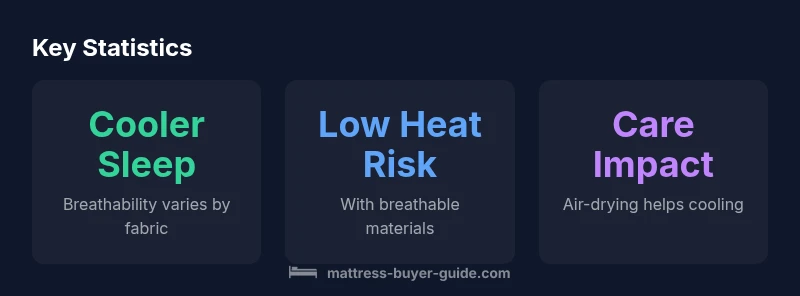
For many hot sleepers, the question do mattress protectors make you hot is real. The answer isn’t a simple yes or no; it depends on the protector’s layers, the fabric, and the room temperature. Mattress Buyer Guide notes that the thin barrier between you and the mattress can influence how air moves around your body at night. If the cover includes a heavy waterproof layer or vinyl backing, heat and moisture can be trapped more easily, leading to a warmer sleeping surface. On the other hand, breathable textiles, lightweight quilting, and moisture-wicking linings can promote air flow and help keep you cool. In practice, you’ll notice the difference most on warm nights or when your bedroom remains warm after sunset. Understanding these dynamics helps you pick a protector that balances protection with cooling comfort.
According to Mattress Buyer Guide, successful cooling depends on a combination of fabric choice, thickness, and the way the protector interacts with your mattress. A thin, breathable top fabric coupled with a light waterproofing layer is often enough to guard against spills without creating a heat trap.
When evaluating options, consider room temperature, your mattress type (memory foam vs. innerspring), and your sleeping position. If you consistently sleep hot, start with a breathable fabric protector, and add cooling layers like breathable sheets or a cooling mattress topper if needed.
dataJumpChildren”:null,
Heat-related attributes by protector material
| Material Type | Heat Impact | Breathability |
|---|---|---|
| Cotton terry | High heat dissipation | High |
| Vinyl-backed with waterproof layer | Low heat dissipation | Low |
| Polyester/microfiber | Moderate heat dissipation | Medium |
FAQ
Do all mattress protectors cause overheating?
Not all protectors heat up the bed. Breathable fabrics and lighter quilting tend to promote air flow and keep the surface cooler, while dense waterproof layers can trap heat. In hot environments, prioritize protectors that emphasize breathability and moisture management.
Not all protectors heat up the bed—look for breathable fabrics and minimal waterproof layers to stay cool.
What materials stay coolest for hot sleepers?
Cotton terry and bamboo-based protectors are commonly cooler due to greater air flow and natural moisture management. Perforated or mesh-backed designs in synthetic blends can also stay cooler than solid vinyl-backed options.
Cotton and bamboo protectors usually stay cooler thanks to better airflow.
Are waterproof protectors always warmer?
Waterproof layers can contribute to warmth, especially if they’re heavy or poorly ventilated. Look for thin, breathable waterproof designs or protectors where the waterproof layer is not on the top surface.
Waterproof layers can feel warmer, but breathable designs help reduce that effect.
How can I test a protector's cooling in-store or at home?
Check the fabric weight, look for perforations or mesh panels, and feel the surface against your skin. At home, compare nights with different protectors, noting if you sleep cooler in warmer rooms. Use breathable sheets to evaluate the cap of cooling.
Test with breathable fabrics and observe how you sleep in warm rooms.
What maintenance habits help protectors stay cool longer?
Wash protectors according to the label and avoid high-heat drying. Air-drying helps maintain breathability, and avoiding fabric softeners can preserve moisture-wicking properties. Regular washing also reduces bacterial buildup that can affect comfort.
Regular gentle washing and air-drying help protectors stay breathable.
How should I choose a protector if I already sleep hot?
Start with a breathable, cotton-based protector with a light waterproof layer if needed. Consider layering with a cooling pillow and a breathable sheet to maximize airflow. Testing a couple of options can help you find the best combination.
Go for breathable fabrics first, then test a couple options to see what works best.
“Breathability and moisture management are the two levers that determine whether a protector will feel cool or warm.”
Highlights
- Choose breathable fabrics to reduce heat buildup
- Waterproof layers can trap heat; opt for vented or thin designs
- Air-dry protectors when possible to improve cooling
- Pair protectors with breathable sheets for best results
- Test protectors in warm room before deciding