Does Mattress Pad Make a Difference? A Practical Guide
Does mattress pad make a difference? Explore how pad types, materials, and care affect comfort, protection, and sleep quality, with practical guidance for choosing the right pad.


Yes. Does mattress pad make a difference? In most cases, a pad adds comfort, protects the mattress, and can influence temperature and moisture management. The degree of impact depends on your goals (softness vs. support, allergen control, spills, or heat retention) and the pad’s material, thickness, and fit. Expect a noticeable, not dramatic, improvement when you match features to sleep priorities.
Does mattress pad make a difference? How to gauge impact
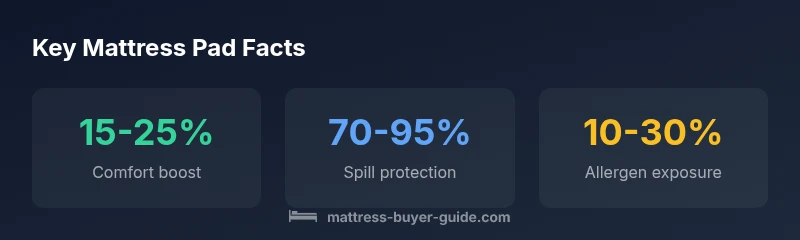
According to Mattress Buyer Guide, does mattress pad make a difference? For many sleepers, the answer is yes, though the magnitude varies with personal sleep priorities and bed setup. Pads influence perceived comfort by adding a barrier between sleeper and mattress surface, while also offering protective benefits against spills, staining, and wear. Temperature and moisture management are common channels of impact; breathable fabrics and moisture-wicking fibers tend to help hot sleepers, while dense materials may retain heat. To assess real-world effects, track subjective sleep quality, ease of turning or repositioning, temperature comfort, and any changes in morning stiffness or woke episodes. Remember, the biggest difference comes from aligning pad features with your sleep goals and your mattress type.
Types of mattress pads and what they do
Mattress pads come in several main categories, each with distinct benefits. Basic quilted cotton pads add a soft, inexpensive layer that can improve initial comfort and protect the surface from light stains. Memory-foam pads offer contouring and pressure relief for people who back or joint pain, though they can feel warmer. Wool and latex pads emphasize temperature regulation and durability, often suitable for sleepers who want natural fibers and a bit more bounce. Waterproof pads provide spill protection and easier cleanup, which is important for households with kids or pets. Finally, breathable hybrids blend fabrics to balance softness with airflow. When choosing, consider thickness, fabric weave, and whether you want a pad that simply protects the mattress or adds meaningful cushion and contour.
How to choose based on sleep priorities
Begin with your top priority. If comfort is your main goal, look for pads in the 0.5–2 cm thickness range with soft, breathable fabrics. If temperature control is critical, favor pads with wool, cotton, or synthetic blends designed for airflow. For allergy-prone sleepers, select hypoallergenic covers that are washable and have a tighter weave to reduce dust mites. If you’re dealing with occasional spills or incontinence, a waterproof pad with a breathable surface helps protect the mattress without sacrificing airflow. Finally, ensure the pad fits your mattress depth and bed sheets securely so it doesn’t bunch under you.
Compatibility with mattresses and bedding
Most pads are designed to fit standard mattress depths (8–14 inches). Look for pads with elastic corner straps or a fitted skirt to prevent shifting. If you use a fitted sheet with a deep pocket, ensure the pad’s thickness won’t create a bunched layer. For memory-foam toppers, confirm the pad’s top fabric won’t compress unevenly and cause hotspots. Consider the sheet fabric too; a rough weave can abrade delicate pad surfaces. In short, choose a pad that sits snugly, remains flat, and harmonizes with your bedding setup.
Care, cleaning, and longevity
Care extends pad life and maintains hygiene. Most cotton and cotton-blend pads are machine washable on a gentle cycle with cold water; air-dry or tumble dry low. Memory-foam and latex pads require gentler handling or spot cleaning to avoid damage. Waterproof pads often have a protective layer that can be wiped clean; some are machine washable if labeled. Regular washing reduces odor buildup and allergen exposure, while keeping your pad fresh. Replace pads every 1–3 years depending on usage, wear, and how well you maintain cleanliness.
Common myths and realities
A common myth is that all pads dramatically change mattress feel; in reality, comfort gains depend on pad thickness and material. Another myth is that waterproof pads always feel hot; many newer models use breathable membranes to mitigate heat retention. Some users worry that pads void mattress warranties; in most cases, pads do not void warranties unless damage is caused by the pad itself. Finally, the idea that pads replace a need for a new mattress is rarely accurate; pads extend life but do not resolve fundamental comfort or support issues.
Real-world testing and quick-start steps
A practical approach is to test a pad over two weeks: week one with the pad on, week two with it removed. Track perceived comfort, temperature, and sleep interruptions. If you notice improvement in warmth distribution or reduced tossing, you’re gaining value. Start by selecting one pad that aligns with your top priority (comfort, protection, or allergen control) and ensure it fits securely.
Practical test plan and maintenance schedule
Create a simple checklist: (1) Record sleep quality nightly (0–10), (2) Note temperature comfort (hot/cold rating), (3) Inspect for wear or bunching after two weeks, (4) Wash according to care instructions every 1–2 weeks if used heavily. If the pad shows visible wear, persistent odors, or sheet-fit issues, consider replacement. This ongoing routine helps you quantify benefits and determine if a different pad would better meet your needs.
Common mattress pad categories and features
| Pad Type | Key Benefit | Typical Materials |
|---|---|---|
| Basic Quilted Cotton | Low-cost comfort and protection | Cotton + polyester fiber |
| Memory Foam Pad | Contour support and pressure relief | Memory foam blend |
| Waterproof Pad | Spill and stain protection | Polyurethane film, cotton top |
FAQ
Does a mattress pad affect sleep quality?
Yes, pads can influence comfort and temperature, which can affect how quickly you fall asleep and how soundly you stay asleep. The effect varies with pad type and individual sensitivity.
Pads can change comfort and warmth, helping you fall asleep faster and stay asleep longer when they match your needs.
Is a waterproof mattress pad worth it?
If you frequently spill or have incontinence concerns, a waterproof pad is worth it for mattress protection and easier cleanup. Choose breathable waterproof options to minimize heat buildup.
If spills are common, water protection is a smart investment that helps protect your mattress.
Can mattress pads help with allergies?
Some pads feature hypoallergenic fabrics and tightly woven covers that reduce dust mite exposure. Washable covers further support hygiene for allergy-prone sleepers.
If allergies are a priority, look for hypoallergenic fabrics and washable covers.
How thick should a mattress pad be?
Thick pads (about 2 cm) provide cushion, while thinner pads (0.5–1 cm) protect the mattress without drastically changing feel. Your preference for cushion versus protection guides selection.
Choose thickness based on how much cushion you want and how your sheets sit on the bed.
Do mattress pads affect mattress temperature?
Breathable pads with cotton, wool, or moisture-wicking fibers can improve airflow and reduce heat buildup for hot sleepers.
If you’re a hot sleeper, pick breathable materials to help you stay cool.
Difference between mattress pad and topper?
Pads primarily protect and offer light comfort; toppers provide more substantial contouring and support. Choose based on whether you want protection with modest cushion or a significant change in feel.
Pads guard the mattress; toppers change the bed feel more dramatically.
“A well-chosen mattress pad is a low-cost upgrade that can tailor your sleep environment without replacing your mattress. Results vary, but for many sleepers, a pad provides meaningful gains in comfort and cleanliness.”
Highlights
- Identify your sleep priorities to pick the right pad type.
- Pads serve different goals: comfort, protection, or hygiene.
- Breathable materials improve temperature control for hot sleepers.
- Regular care extends pad life and maintains hygiene.
- Test the pad by comparing nights with and without it.