Is Mattress Pad and Protector the Same? A Clear Guide
Explore whether a mattress pad and protector are the same, differences in function, materials, care, and practical buying tips to optimize comfort and spill protection.


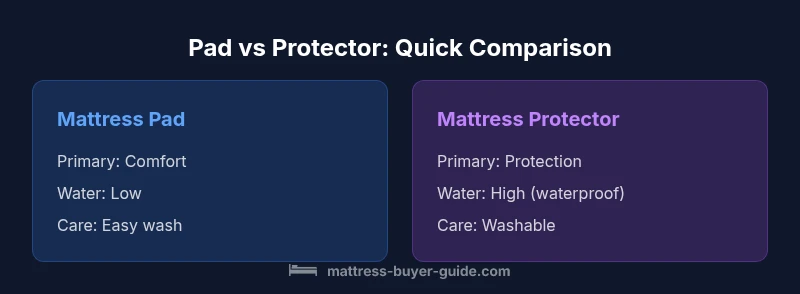
Is mattress pad and protector the same? In practice, they serve different purposes and aren’t interchangeable. A mattress pad adds light cushioning and a touch of warmth, while a mattress protector acts as a waterproof barrier against spills, stains, and allergens. For most bedrooms, using both provides comfort plus protection, or selecting a combined product can cover both needs with a single purchase.
Is Mattress Pad vs Protector: Core Difference
The question many shoppers ask is is mattress pad and protector the same? The short answer is no. These two products live on different ends of the sleep-gear spectrum and are designed to solve different problems. A mattress pad is a soft layer that goes on top of the mattress to introduce additional comfort, a hint of loft, and sometimes a slight temperature boost. It does not create a robust barrier against liquids. A mattress protector, by contrast, is built to shield the mattress surface from accidental spills, urine, pets, and stains. Protectors often use a water-resistant backing and breathable fabrics to balance protection with comfort. Understanding this distinction helps you avoid buying tools that don’t meet your needs and sets expectations for longevity and care. Mattress Buyer Guide analyzes consumer needs to help you decide when to pick one, the other, or both, depending on your lifestyle, sleep health, and household risks.
What a Mattress Pad Actually Does
A mattress pad sits on the surface of the mattress and provides a light buffer between you and the fabric below. Pads come in a range of thicknesses, from ultra-thin to moderately plush, and many are quilted for extra loft. The primary benefits are enhanced comfort, a touch of temperature regulation, and limited minor cushioning for sensitive joints. They can also help protect a mattress from minor wear at the surface. Importantly, pads do not offer full waterproof protection, so spills can still seep through if the pad is thin or the fabric knit is permeable. For people who want a gentle improvement in feel without materially altering the mattress contour, a pad is an accessible option. When selecting a pad, lean toward breathable materials and easy care, and note that a thicker pad may subtly change the mattress feel over time.
What a Mattress Protector Actually Does
A mattress protector is designed to shield the mattress from liquids, stains, and allergens. Protectors come in many forms: vinyl-backed waterproof protectors, polyurethane-backed breathable protectors, and fabric-backed options with moisture barriers. The level of protection varies; some protectors guard against spills and pet accidents, while others are engineered for incontinence or heavy stain risk. A good protector minimizes moisture intrusion and reduces the likelihood of staining or odor development. The trade-offs often involve comfort and breathability—some protectors can feel slightly crinkly or warm, while well-made breathable protectors strive to preserve a natural sleep temperature. For high-risk environments or households with children or pets, a protector is a practical investment in mattress longevity.
Materials and Construction: Pads vs Protectors
Material choices play a major role in comfort, durability, and care. Mattress pads frequently use cotton, wool, microfiber, or thin foam layers, with quilted stitching to hold the filling. These materials emphasize softness and air flow; many pads are machine washable and quick to dry. Mattress protectors typically feature a water-resistant backing (polyurethane or vinyl) paired with a soft top fabric such as cotton, polyester, or bamboo blends. They aim to block moisture yet remain breathable. Some high-end protectors incorporate a thin membrane that blocks liquids while allowing vapor transmission, preserving a cooler feel. When evaluating both types, check for label claims like “washable,” “breathable,” and “no crinkly feel” to gauge long-term comfort.
Common Configurations: Separate vs Combined
The simplest setup uses a separate pad and protector—placing the pad directly on the mattress and the protector on top. This approach preserves the pad’s comfort benefits while delivering robust spill defense from the protector. For minimalist setups or travel-friendly arrangements, some products combine the two functions into a single piece that offers moderate cushioning with a protective barrier. In households with significant liquid exposure (drinks, kids’ activities, pets), using both can deliver the strongest protection without compromising sleep quality. If you opt for a combined product, verify its washability and ensure it maintains a comfortable sleep surface.
How to Choose Based on Your Sleep Health and Spills
Choosing between a pad, a protector, or both hinges on your priorities. If you value immediate softness, pressure relief, or extra warmth without changing mattress feel substantially, start with a high-quality mattress pad. If liquid protection, stain resistance, or allergen control is your priority, select a protector—ideally breathable and properly fitted. For households with mixed needs, a combined approach can be ideal. Evaluate mattress temperature comfort, skin sensitivities, cleaning ease, and the frequency of spills or accidents. In multi-user bedrooms, harmonizing pad softness with protector reliability can yield a balanced sleeping environment that extends mattress life and reduces washing frequency over time.
Care and Maintenance Tips
Caring for pads and protectors is essential for durability. Most mattress pads are machine washable on a gentle cycle with cold water and mild detergent; avoid high heat to prevent shrinkage. Mattress protectors vary, but many are also machine washable; check care labels for recommended cycles and line drying vs. tumble drying. To prevent buildup of odors and allergens, wash protects as often as needed based on use, and replace pads or protectors when seams start to wear, or when odors persist after washing. Using a waterproof protector can help protect the pad if it’s thin, but you should still wash both regularly to prevent residue or mold.
Real-World Scenarios: When You Should Use Pads, Protectors, or Both
Consider scenarios like weather and fabric preferences. If you have night sweats, a pad may not suffice for spill protection, so pair with a breathable protector. If you live with children or pets, a dedicated protector becomes essential, and adding a pad on top can offer comfort without compromising protection. In apartment living or hot climates, choose pads with moisture-wicking fabrics and a protector with a breathable backing to maintain a comfortable sleep surface. For guest rooms or short-term use, a single, high-quality protector may be enough, but a pad can be added for guests who prefer extra softness.
Common Myths Debunked
Myth: Pads and protectors are interchangeable. Fact: They address different goals—comfort vs. protection—and most sleepers benefit from using both or choosing a dual-purpose option if available. Myth: Waterproof protectors are always loud or uncomfortable. Fact: Many modern protectors are designed to be quiet and breathable, with fabrics that reduce crinkle and heat retention. Myth: You should replace pads frequently because they wear out quickly. Fact: With proper care, cushions can last several years, but the feel may change with wash cycles and pressure.
Price Considerations and Longevity
Price matters, but value is about performance and durability. Mattress pads range from affordable to mid-range, depending on fabric and loft. Protectors span a broader range; higher-priced models often offer better breathability, more robust waterproofing, and longer warranties. Longevity depends on use, care, and household conditions. A well-chosen pad and protector can extend mattress life, reducing the need for early mattress replacement. When budgeting, consider not only upfront cost but ongoing care, washing frequency, and the potential cost savings from delaying a full mattress replacement.
How to Measure Fit and Compatibility with Mattress
Fit is critical for both pads and protectors. Pads should match the mattress width and length, with thickness not so great that it creates a visible ridge at the edges. Protectors should fit snugly like a fitted sheet, avoiding loose edges that collect debris or bunch during sleep. If you have an unusual mattress depth, verify depth compatibility and consider protectors labeled as “deep pocket” or “plus-size” to ensure a secure fit. Always check product dimensions and mattress depth under your mattress label, and remember that a poor fit can reduce protection and comfort.
Quick Decider Guide: Bottom Line
If your primary goal is comfort, start with a mattress pad and evaluate needs for spill protection. If you’re worried about stains, odors, or allergies, add a mattress protector. For most homes, a pad plus protector provides the best blend of comfort and defense, and a few buyers opt for a dual-purpose product when available. Keep in mind care instructions and wash frequency to maximize longevity, and re-evaluate every 12–24 months as your sleep environment evolves.
Comparison
| Feature | Mattress Pad | Mattress Protector |
|---|---|---|
| Primary purpose | Adds softness and light cushioning | Provides waterproof protection and stain defense |
| Protection level | Low to moderate depending on thickness | High; designed to block spills and stains |
| Comfort impact | Gentle enhancement of feel | Often neutral to slight impact on feel depending on material |
| Water resistance | Little to none for most fabrics | Strong (waterproof options available) |
| Breathability | Generally breathable, varies by material | Breathability varies; higher-end options prioritize air flow |
| Fit & size | Sits on top of mattress; thickness varies | Fits like a fitted cover around mattress |
| Care & longevity | Machine wash, gentle cycles; may compress over time | Machine wash often recommended; waterproof layers may wear |
| Best for | Comfort-focused users, light protection | Spill-prone environments, stain defense, longevity |
The Good
- Inexpensive upfront option for comfort
- Easy to replace when wear occurs
- Adds a gentle layer of warmth or softness
- Simple maintenance and care
Cons
- Does not provide comprehensive spill protection
- May alter mattress feel if very thick
- Breathability can vary with material and thickness
Pads and protectors serve distinct roles; choose based on your priority—comfort first or spill protection second.
For most sleepers, using both a pad and a protector offers the best combination of comfort and protection. If you must pick one, prioritize the goal that matters most: comfort or protection, and select accordingly.
FAQ
What is the main difference between a mattress pad and a mattress protector?
A mattress pad adds softness and light cushioning, while a protector creates a barrier against liquids and stains. Pads affect feel but don’t waterproof, whereas protectors focus on surface protection with varying breathability.
Pads add comfort; protectors guard against spills. They’re not the same, and many sleepers use both for best results.
Can you use both a pad and protector at the same time?
Yes. Placing a pad on the mattress and adding a protector on top gives comfort with strong spill defense. It’s common in households with kids or pets, or when you want to extend mattress life while keeping a soft sleeping surface.
Yes—using both is common for comfort plus protection.
Are waterproof protectors comfortable to sleep on?
Many protectors are designed to be breathable and quiet, providing protection without a noticeable crinkle. If comfort is crucial, look for protectors marketed as breathable with thin, non-crinkly membranes.
Breathable protectors can feel almost the same as regular fabrics.
Do protectors reduce mattress breathability?
Some protectors can slightly reduce airflow, especially thicker ones, but many modern designs preserve breathability. Check product specs for moisture transmission and fabric layers to minimize heat buildup.
Choose breathable designs to keep airflow high.
How should I clean a mattress pad or protector?
Follow care labels, typically machine wash on gentle cycles with cold water and mild detergent. Air dry or tumble on low heat if allowed. Avoid bleach or fabric softeners that can degrade materials and waterproof barriers.
Wash gently and air dry when possible.
Are there combined products that offer both functions?
Yes, there are products designed to provide cushioning and protection in one piece. Verify that the combined item meets your comfort and protection needs and check care instructions before purchase.
There are dual-purpose options—read the label.
Highlights
- Identify your priority: comfort or protection
- Opt for breathable materials to sustain sleep temperature
- Use both if you want maximum comfort and guard against spills
- Regular care extends product longevity