Mattress Replacement Guide: When to Replace and How to Choose
A comprehensive, practical guide to mattress replacement, including signs you should replace, how to pick a new mattress, setup, and maintenance for better sleep health and longevity.


You will learn when to replace a mattress, how to pick a suitable replacement, and how to install it safely. This guide covers signs of wear, material choices, budget considerations, and setup steps, plus tips to maximize comfort and extend life. Use this as a practical, actionable path from identification to installation.
Why mattress replacement matters
A quality night’s sleep starts with a mattress that supports your spine and cushions pressure points. Over time, materials sag, springs lose resiliency, and the surface can become uneven. These changes can contribute to morning stiffness, headaches, and disrupted sleep. Replacing a worn mattress is often more cost-effective than chasing temporary fixes, and it can improve alignment, airflow, and overall comfort. According to Mattress Buyer Guide, selecting the right replacement can transform both sleep quality and daytime energy. In practice, look for a replacement that maintains spinal alignment in your usual sleep position, reduces pressure on hips and shoulders, and fits well in your bedroom without creating heat buildup. By prioritizing these attributes, you’ll sleep deeper and wake more refreshed.
- Sleep quality impacts mood, cognitive function, and overall health.
- A sagging or lumpy surface can cause misalignment and back pain.
- Hygiene factors (dust mites, allergens) grow with time on a used mattress.
When to replace your mattress
There isn’t a single expiration date for every mattress, but there are clear signals to watch for. Visual sagging or excessive softness that you notice even with proper bedding is a sign the springs or foam have lost resilience. If you wake feeling stiff, or you notice increased back, neck, or shoulder pain after sleeping, replacement may help. Temperature and comfort changes also matter; a mattress that sleeps hot or traps heat suggests aging materials or poor ventilation. Consider usage patterns. A mattress that’s used by more than one person, or one that’s heavily weighted by a partner, can wear unevenly. If you’ve reached the seven-to-ten-year guideline recommended by many experts, it’s reasonable to evaluate options sooner if maintenance actions (rotating, flipping, protective covers) fail to restore comfort. Mattress Buyer Guide analysis shows that lifestyle and material quality condition replacement timing more than age alone, so tailor your plan to how you sleep now.
How to choose a mattress replacement
Selecting a new mattress is a balance of support, comfort, and durability. Start by understanding your sleep position and firmness preference. Side sleepers often prefer softer surfaces, back sleepers benefit from medium-firm, and stomach sleepers may need firmer support for proper spinal alignment. If you share a bed, consider models with independent coils or zoned support. Material choices include memory foam for contouring and pressure relief, latex for durability and breathability, and innerspring/hybrids for strong edge support and cooler sleep. Adjustable options can help partners with different preferences. Budget and warranty matter as well; longer warranties often indicate higher quality materials, but comfort and fit should drive the final choice. The Mattress Buyer Guide team notes that comfort is highly personal, so test options in similar sleeping positions before purchasing.
Mattress types: memory foam, latex, and hybrids
Memory foam mattresses offer excellent pressure relief and contouring, which helps spinal alignment but can trap heat for some sleepers. Latex models are durable, responsive, and breathable, with natural variants available. Innerspring and hybrid mattresses combine coils with foam layers for good support and motion isolation, often featuring cooling technologies. Consider which combination best suits your climate, sleep position, and allergies. If you want a quick steer: memory foam is great for pressure relief; latex is long-lasting and breathable; hybrids offer a balance of bounce and support. Always check for certifications (like CertiPUR-US) and read user reviews about heat management and durability. The Mattress Buyer Guide team emphasizes testing in-store or via trial periods to confirm long-term comfort.
Sizing and foundations considerations
Choose a mattress size that fits your room and sleep needs, bearing in mind that larger sizes can improve sleep quality by reducing sleep disturbances. Verify that your foundation or box spring is compatible with the new mattress. Some newer models require solid platforms, while others tolerate slatted bases with appropriate slat spacing. If your bed frame height matters for getting in and out of bed, you may want a lower-profile foundation or a bed frame that accommodates thicker mattresses. Proper support extends mattress life and maximizes comfort. Measure the space, check clearance, and align your purchase with your bedroom layout.
Hygiene and health considerations
Hygiene becomes more important as a mattress ages. Dust mites, sweat, and skin cells accumulate in the layers over time, potentially aggravating allergies or asthma. Consider encasing your new mattress in a washable cover and using a breathable protector to guard against stains and allergens. Regular cleaning, including vacuuming around the bed and washing linens, helps maintain a healthier sleep surface. If allergy symptoms persist despite a fresh cover, review the materials and consider hypoallergenic options. The Mattress Buyer Guide team notes that choosing materials with good airflow and easy maintenance can reduce allergen buildup over the life of the mattress.
Testing, trials, and sleep environment
Whenever possible, test mattresses in a controlled sleep environment or during an extended trial period. Bring your typical pillow and sheets to simulate real sleep conditions. Pay attention to support, pressure relief, edge stability, and partner disturbance. For online purchases, verify a generous return policy and a long trial window. Create a sleep-friendly environment: keep the room cool, dark, and quiet, and replace old pillows that may affect neck alignment. This practical testing phase helps prevent buyer’s remorse and ensures you’ve found a mattress that supports your daily energy and mood.
Unboxing, breaking in, and first-week care
Unboxing a mattress carefully helps prevent damage and accelerates proper expansion. If you’re dealing with foam, allow the mattress to fully decompress according to the manufacturer’s guidelines, typically within hours to a couple of days. Move the mattress into place with helpers and protective blankets to avoid scuffs. In the first week, rotate the mattress as recommended and keep a regular cleaning routine. Avoid jumping on the bed or exposing the surface to moisture during the break-in period, which can compromise materials and comfort. The goal is a smooth transition to the new sleep surface while preserving longevity.
Maintenance to extend life and protect your investment
Implement a routine that protects the mattress over years of use. Rotating or flipping (as allowed by the model) distributes wear and reduces uneven sagging. Use a removable, washable cover to guard against stains and allergens, and wash bedding weekly. Vacuum the sides of the mattress periodically to remove dust. If you notice heat buildup, consider a breathable layer or a cooling cover. Finally, ensure your foundation remains clean and stable; a wobbly base accelerates wear and decreases support. A proactive maintenance plan helps your mattress perform better for longer and can enhance your sleep quality day after day.
AUTHORITY SOURCES
For further guidance on sleep health and mattress longevity, consult reputable sources such as the Centers for Disease Control and Prevention (CDC) sleep resources, the National Institute of Neurological Disorders and Stroke (NINDS), and Sleep Foundation. These sources offer broad context on sleep health, recommended practices for improving sleep environments, and general guidance on mattress care and replacement timelines. While individual needs vary, these references provide a solid foundation for making informed decisions about mattress replacement and overall sleep quality.
The replacement decision: cost vs value
Budget plays a major role in choosing a replacement, but value should drive the decision. Consider long-term durability, material quality, warranty coverage, and the impact on daily comfort and health. A higher-quality mattress may provide better support for many years and reduce medical costs related to chronic discomfort. Compare models using consistent criteria: firmness at your typical sleep position, edge support, motion isolation, temperature regulation, and ease of maintenance. While no single price guarantees satisfaction, a thoughtful evaluation prioritizing sleep health tends to yield the best return on investment over time.
Tools & Materials
- Measuring tape(To verify bed dimensions and ensure proper fit)
- Moving straps(Helps safely lift and maneuver a heavy mattress)
- Protective gloves(Protect hands during setup and moving)
- New mattress(Size matched to bed frame and foundation)
- Dolly or mattress sliders(Helpful for bulky models)
- Old mattress disposal bag(For transport to disposal or recycling)
- Breathable sheet/covering(Protects the new mattress during setup)
Steps
Estimated time: 2-6 hours
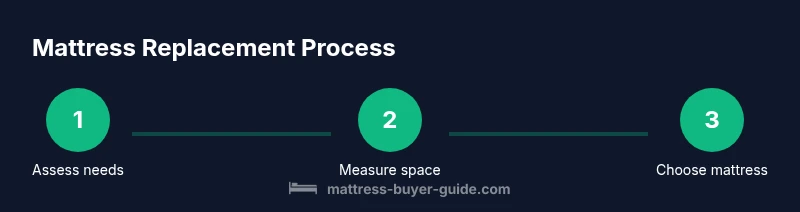
- 1
Assess your needs
Review current sleep issues, discomfort, and any health concerns that a new mattress could address. Note how long you’ve experienced symptoms and whether they worsen at night or upon waking. This helps justify replacement and guides your material choice.
Tip: Write down your top sleep concerns (back pain, overheating, motion transfer) to compare options later. - 2
Measure space and plan
Measure the bed footprint and ensure the new mattress will fit with existing foundation and sheets. Check for clearance around the bed for safe maneuvering in a tight room.
Tip: Bring space measurements to the store or when shopping online to avoid size mismatches. - 3
Select the right mattress
Decide on firmness level, materials, and essential features (cooling, edge support, trial period). If you share a bed, look for models with independent coils or zoned support so partners don’t disturb each other.
Tip: Test options in similar sleeping positions to your own—don’t rely on a demo in a different posture. - 4
Prepare the foundation
Clear the space, vacuum the foundation, and ensure compatibility with the new mattress. Replace or repair the foundation if it shows signs of wear, as a poor base can shorten life.
Tip: Consider a low-profile foundation if you want a firmer feel without raising bed height. - 5
Unbox and position
Carefully unbox the mattress and allow foam or latex to decompress per manufacturer instructions. Use helpers or moving straps to position it, avoiding dragging on floors to prevent damage.
Tip: Most foams expand within hours; some models need up to 72 hours for full expansion. - 6
Break in and care
Give the mattress time to settle into your body shape. Use a breathable protector and maintain a regular cleaning schedule to extend life.
Tip: Avoid jumping on the mattress and rotate as recommended during the first six months.
FAQ
How long does a mattress replacement typically last?
Most mattresses last about 7 to 10 years, but durability varies with materials, weight, and care. If you’re waking stiff or noticing sagging, replacement is worth considering.
Most mattresses last around seven to ten years, depending on use and materials. If you wake with stiffness or visible sagging, it might be time to replace.
Should I replace the foundation along with the mattress?
In many cases, yes. A worn or incompatible foundation can undermine a new mattress’s performance and longevity. Check the manufacturer’s recommendations.
Often yes, because a worn foundation can reduce support. Check your mattress guide for compatibility.
What are signs it’s time to replace?
Sagging, persistent pressure points, increased allergies, or persistent motion transfer are strong indicators to replace. If comfort has declined despite adjustments, replacement is reasonable.
Sagging, pain, or persistent discomfort are signs to replace.
What is the best mattress type for back pain?
Medium-firm to firm mattresses with good support and spinal alignment are commonly recommended for back sleepers. Personal comfort matters most—test options where you sleep.
A medium-firm, supportive mattress that keeps your spine aligned is usually best for back pain, but comfort matters most.
How much does mattress replacement cost?
Costs vary widely by size and materials; consider a range that fits your budget and expectations for longevity. Look for sales and consider refurbished or factory outlets if available.
Costs vary by size and materials; plan within your budget and look for deals.
Can I just rotate the mattress instead of replacing?
Rotating can help even wear, but it does not fix underlying sagging or loss of support. If you notice persistent discomfort, replacement is more effective.
Rotation helps distribute wear but won't fix sagging. Replacement is usually better for long-term comfort.
Watch Video
Highlights
- Match mattress firmness to your sleep position and weight.
- Ensure foundation compatibility before purchasing.
- Test comfort with similar bedding and in similar sleep positions.
- Allow time for full expansion and break-in.
- Prioritize hygiene and protective covers to extend life.